







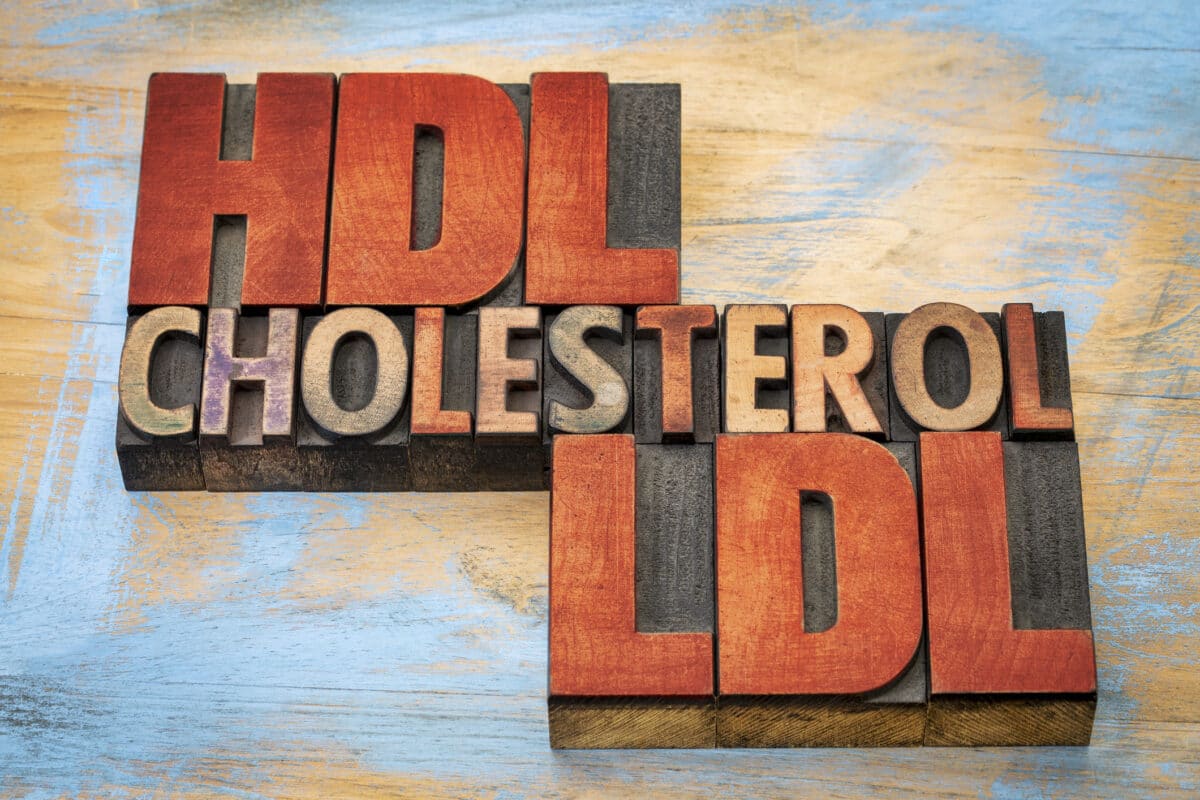
HDL stands for high-density lipoprotein, and this is the cholesterol that helps the body get rid of “bad” cholesterol in the bloodstream.
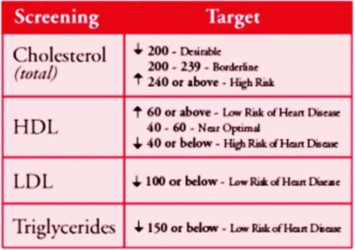
The HDL levels should be higher since the lower number will increase your risk of cardiovascular disease.
A good target number to shoot for is 60, since cholesterol levels of 60 or higher indicate a lower risk of cardiovascular disease. Anything lower than 40 puts you in a high-risk category.
LDL.
LDL stands for low-density lipoprotein, which delivers cholesterol into the bloodstream. While your body needs some to build cell membranes, it usually has more of this substance than it needs.
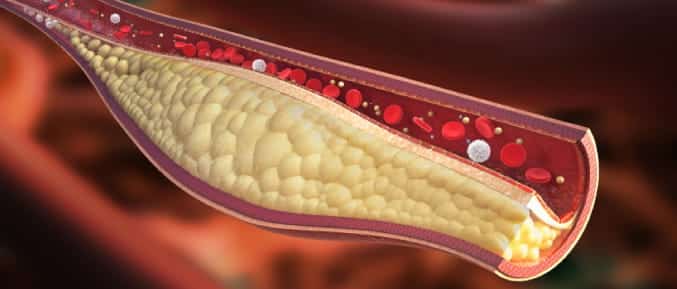
A buildup of cholesterol remains in the arteries, forming plaque that makes it harder for blood to pass through freely.
The LDL cholesterol levels should be as low as possible.
The normal levels for LDL are generally between 100 and 129, with anything lower than 100 considered ideal.
Those in the range between 130 and 159 are considered borderline high, and anything above 160 is in the high-risk category.
Total Cholesterol.
Cholesterol levels will also combine these two readings for one total number. This figure should be less than 200 to ensure a healthy cardiovascular system.
Over 200 to 239 are reviewed as borderline high and should be tracked very carefully. If the number is over 240, the patient is placed in the high-risk category for cardiovascular disease.
Understanding cholesterol levels is the first step to a healthier cardiovascular system. By monitoring on a regular schedule. You will be able to take steps to reduce cholesterol levels as soon as they begin to creep up.
Food contains all kinds of substances that are processed in the digestive system, then absorbed by the body through the bloodstream and distributed to the different parts of the body as food.
Blood Testing.
Yearly blood testing and monitoring may be the best solution to able to see symptoms.
What usually happens in blood work is that a certain amount of blood is about 5ml or so, depending on the amount needed. It is drawn from the individual and then routinely tested. And checked to see the levels of certain substances present in the bloodstream.
The symptom of high cholesterol seen in blood work is the elevation of LDL compared to the level of HDL in the individual.
Therefore, these levels represent the amount of bad cholesterol in the bloodstream.
There is a range in which a person may consider still safe from elevated levels.
The range dictates that the level of 200 is the maximum level for most individuals with high cholesterol.
Other Symptoms of High Cholesterol.
Other symptoms of high cholesterol are deposits of fats and cholesterol in the skin, sometimes, specifically near or in the eyes, hands, and feet.
Some deformation or fattening may occur in the eyes, while the hands and feet may manifest nodules made of fat.
Sometimes, the fat may manifest as yellowish patterns in the hands, especially for people with light skin tones.
These symptoms of high cholesterol are often seen in people with lipid disorders. Other symptoms may be shortness of breath, difficulty breathing, chest pains, and labored movement due to the excessive deposits of fats and plaque in the arterial walls.
The Leading Causes of High Cholesterol.
A lot of people do not understand the causes of high cholesterol. Most people go through life not caring much about getting enough exercise and eating a balanced diet.
Fast-food culture does not help either. Because fast food is readily available, and we do not have to go through the trouble of preparing our food, most of us succumb to the temptation of living on fast food almost every day.
According to experts, the habit of eating fast food can have a lot of negative effects on the body. Fast food is not only one of the leading causes. They also cause a lot of other diseases that can be fatal to people from all walks of life.
If you are one of those people who do not understand. Here are five things that you should look out for if you want to keep your cholesterol level normal.
What You Eat.
One of the leading causes of high cholesterol is a poor diet. Too much saturated fat can send your level up the chart. Port, beef, veal, eggs, milk, cheese, and butter are filled with saturated fats that can elevate the level of your cholesterol.
Coconut oil, vegetable shortening, palm oil, cocoa butter, and those delicious snacks of cookie chips. Cakes and crackers are also rich in saturated fats that can raise cholesterol levels.
No, you do not have to give up all these foods. Just make sure that you eat them in moderation to avoid the accumulation of bad fats.
Your Weight.
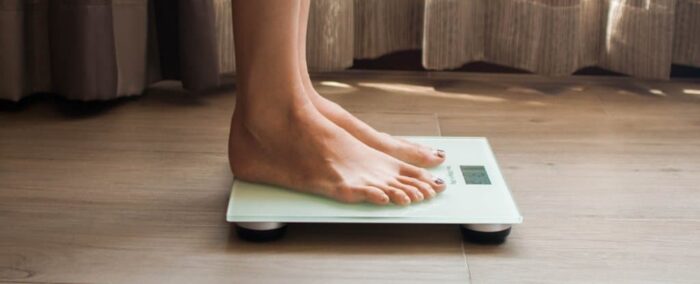
Being a heavier person is one of the primary causes of high cholesterol. If you are tipping the bathroom scale too much, consider going on a diet and doing plenty of exercise to bring your weight down.
Now, don’t make excuses that you do not have time to go to the gym and exercise. You do not have to go to the gym to exercise.
You can always walk and climb stairs when going to work. According to experts, climbing stairs every day burns plenty of calories, so you stay healthier.
What is more interesting about walking and climbing stairs is that you do not have to spend money to do these activities.
Your Family History.
According to experts, some people are naturally predisposed to high cholesterol. If your mother or father is suffering from symptoms of high cholesterol, you’d better watch out; you, too, can suffer the same fate.