



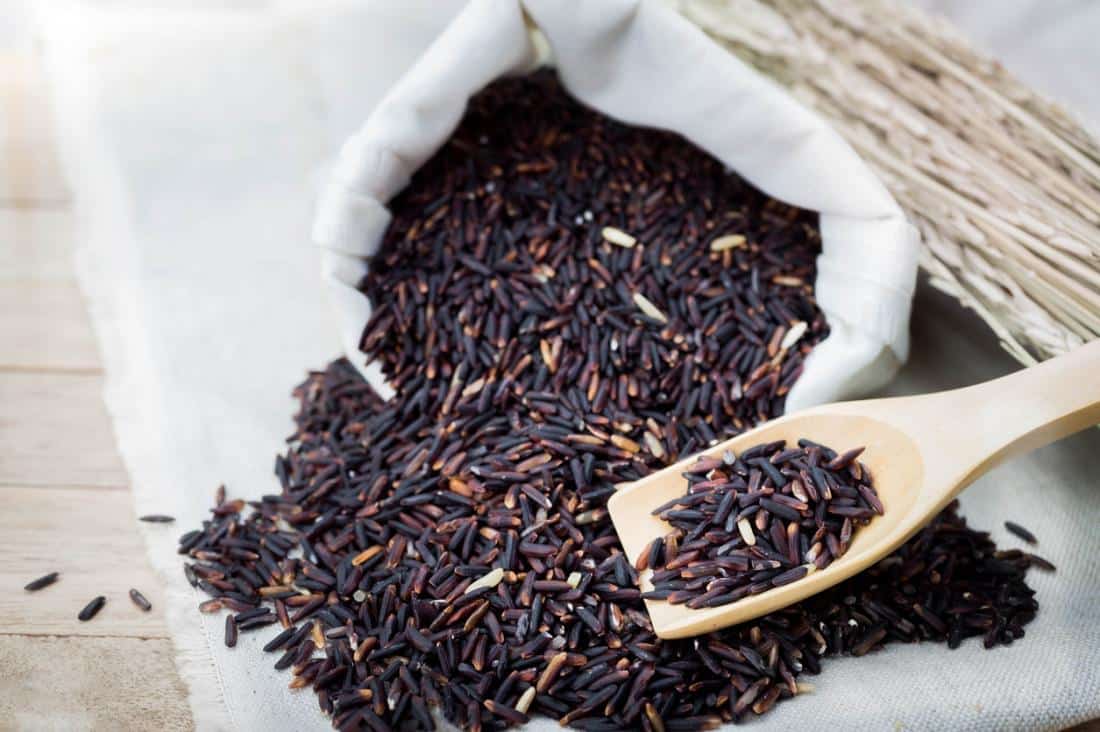
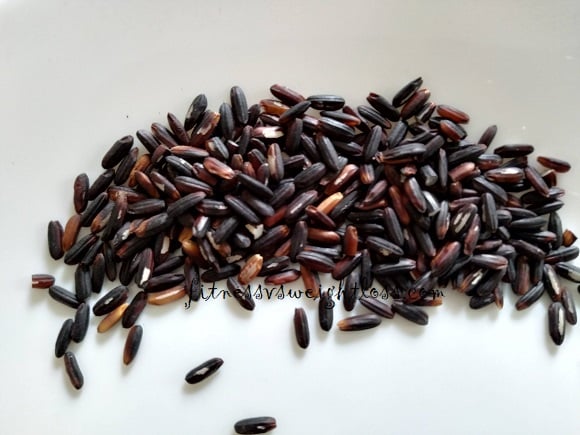
Black Rice is part of a diabetic diet plan. Recently, my daughter-in-law brought a packet of black rice. Me when she was on an official trip to Manipur. I had kept the pack in the pantry and was planning to prepare it for some special occasion.
So I finally cooked some black rice today since a diabetic relative was visiting us for lunch. I checked and found that this rice can be a part of a healthy diabetic diet plan.
Why black rice can be a part of a diabetic diet plan
Let me tell you why I decided to cook black rice in place of regular white rice. However, for the person who was suffering from diabetes.
Great source of nutrition
Black rice is a wonderful source of nutrition, as 100 grams of rice contains 9 grams of protein, while brown rice has 7 grams.
45 grams of uncooked black rice provides;
- 160 Calories
- 1.5 grams of Fats
- 4 grams of Protein
- 34 grams Carbs
- 1 gram Fiber
This rice is high in antioxidants.
This rice has been found to contain more than 20 plant compounds. With antioxidant properties that include various types of flavonoids and carotenoids. Not only that, black rice contains anthocyanins, which are a group of flavonoid plant pigments.
Responsible for the beautiful purple color of it. It is the same that causes the color in several other plant-based foods. Like blueberries, eggplants, and sweet potatoes.
Anthocyanins are known to have strong anti-inflammatory and antioxidant properties. And anti-cancer properties as found in foods high in anthocyanins. Help to protect against various chronic diseases like heart disease.
As they improve cholesterol and triglyceride levels. Anthocyanins are effective in a few types of cancers, especially colorectal cancer and breast cancer.
Therefore, adding this rice to your diet can be an easy way to incorporate it. More disease-protecting antioxidants in your diet.
A diabetic diet plan and black rice
The use of this rice and other anthocyanin-containing foods. They are considered to help reduce blood sugar levels for type 2 diabetes. Anthocyanins have antioxidant abilities that act against free radicals.
And help diabetics get protection from inflammation and cell damage. Black rice is also rich in fiber, which is helpful in the slow release of glucose in the blood.
This slow release prevents sudden spikes in blood sugar levels. Although the fiber in black rice is the same as that of brown rice. Yet it is a whole grain that has its bran and endosperm intact.
That is what makes this rice flavored and rich in fiber, and digested slowly by the body. Not only this, but this rice promotes satiety and helps in fighting obesity, which is the most prominent risk factor for diabetes.
Black rice in a diabetes diet plan to improve eye health
Therefore, this rice is perceived as diabetic lutein and zeaxanthin. Furthermore, high amounts of two types of carotenoids are associated with eye health. These compounds help to protect the eyes from potentially damaging free radicals.
Lutein and zeaxanthin are commonly understood to help protect the retina by filtering out harmful blue light waves. Not only that, but the research suggests that these antioxidants are important.
Protecting against macular degeneration is the leading cause of blindness. Interestingly, these antioxidants also decrease the risk of cataracts. Diabetic retinopathy is a major health issue among diabetic patients.
Forbidden Rice
By the way, do you know that black rice is also known as Forbidden Rice in China and Chak-Khao in Manipur? In China, it’s known as Forbidden Rice. It is esteemed to be meant only for the aristocratic class.
It is done in the famous purple porridge, with the uncooked forbidden rice. Which appears black and turns purple after getting ready. Black-flavored rice has a mildly sweet and nutty taste, more like sweet corn.
Therefore, this rice can be a good addition to a diabetic diet plan, being highly nutritious. But it advises consulting your physician and nutritionist, or dietitian, for a better understanding.
Conclusion
Have you heard about Manipur’s Black rice Chak-Khao, which has received a GI tag recently? So, I plan to give more details about how I cooked this flavored rice and also made a dessert out of Chak-Khao.
Till then, stay healthy and stay safe.