








The Fitness Blind Spot Nobody Talks About. You jog. You cycle. Maybe you hit the treadmill a few times a week. Your heart rate climbs, calories burn, and you walk away feeling like you’ve checked the most important box for long-term health.
But what if one of the strongest predictors of how long—and how well—you live has nothing to do with miles logged or calories burned?
What if the secret lies in something much simpler… like how firmly you can hold onto a grocery bag?
Welcome to fitness beyond cardio.
For decades, cardiovascular exercise has dominated the conversation about longevity. And while cardiovascular fitness absolutely matters. New research is revealing an unexpected truth: grip strength may be one of the most powerful indicators of overall health and lifespan.
Not because strong hands magically extend life—but because grip strength reflects something deeper happening throughout your body.
The problem? Most people completely ignore it.
The solution? Understanding why grip strength matters—and how to build it naturally without overhauling your entire fitness routine.

Let’s dive in.
What Grip Strength Really Tells Us About Health
At first glance, grip strength sounds trivial. After all, who cares how hard you can squeeze?
Scientists do.
Researchers increasingly view grip strength as a kind of “health snapshot.” It reflects muscle mass, nervous system function, cardiovascular health, metabolic efficiency, and even resilience during illness. In other words, it’s not just about your hands—it’s about your entire system working together. (National Geographic)
Large-scale studies consistently show that lower grip strength is associated with a higher risk of:
- Cardiovascular disease
- Respiratory illness
- Certain cancers
- Frailty and mobility loss
- All-cause mortality
One major study involving over 500,000 participants found that weaker grip strength was strongly associated with higher rates of death and disease—even after accounting for factors like body weight, smoking, and physical activity. (BMJ)
That’s why some researchers have started calling grip strength a “vital sign” of aging.
And this is where the idea of going beyond cardio becomes important.

The Cardio Myth: Why Running Alone Isn’t Enough
Cardio improves heart and lung function. That’s undeniable.
But cardio alone doesn’t fully protect against muscle loss, strength decline, or functional aging. Beginning in midlife, adults naturally lose muscle mass and strength each year unless they actively work to maintain it. (National Geographic)
This matters because longevity isn’t just about avoiding disease—it’s about maintaining independence.
Think about real-life longevity:
- Carrying groceries without strain
- Preventing falls
- Recovering from illness or injury
- Staying active into older age
Grip strength correlates strongly with these abilities because it reflects total-body strength and neuromuscular health. (National Geographic)
In simple terms:
Cardio helps you live longer. Strength helps you live better.
And grip strength sits right at the intersection of both.
Why Grip Strength Predicts Longevity
So why does something as specific as hand strength connect to lifespan?
There are several reasons.
1. It Reflects Total Muscle Health
Muscle is a metabolically active tissue. It helps regulate blood sugar, reduces inflammation, and supports hormonal balance. When muscle declines, health risks rise.
Grip strength often mirrors overall muscle condition across the body. Weak grip frequently signals broader weakness or frailty.
2. It Signals Nervous System Efficiency
Strength isn’t just muscle—it’s communication between brain and body. A strong grip requires efficient neural signaling, coordination, and motor control.
Declines in grip strength may indicate nervous system aging before other symptoms appear.
3. It Shows Physiological Reserve
One of the strongest explanations is resilience.
Stronger individuals tend to recover better from illness, surgery, and stress. Researchers describe this as having more “reserve capacity”—the body’s ability to bounce back when challenged. (National Geographic)
Longevity isn’t just about avoiding problems. It’s about surviving them.
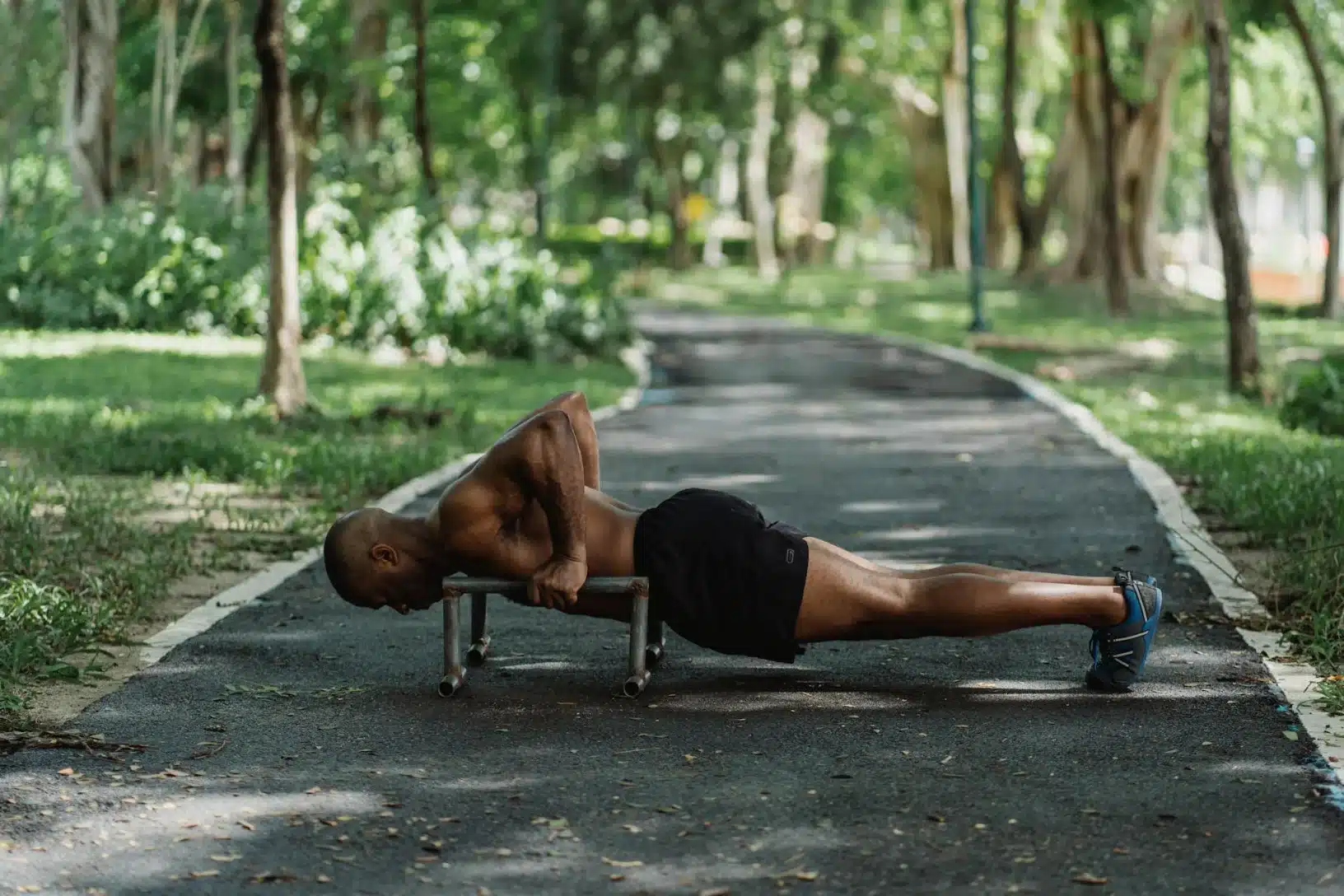
The Big Misunderstanding: Grip Strength Isn’t About Your Hands
Here’s the crucial point many people miss:
Grip strength itself isn’t magic.
It’s a marker, not a shortcut.
Experts emphasize that grip strength reflects overall activity levels and strength habits accumulated over the years, not just squeezing a hand gripper for five minutes a day. (GQ)
In other words, you don’t improve longevity by training your fingers alone.
You improve longevity by building a stronger, more capable body—and grip strength rises as a result.
That’s the real lesson of going beyond cardio.
How to Build Grip Strength (Without Complicating Your Life)
The good news? Improving grip strength doesn’t require a complicated routine.
It simply means shifting toward movements that demand real-world strength.
1. Lift and Carry Things
Functional strength exercises are incredibly effective:
Farmer’s carries
Deadlifts
Rows
Kettlebell holds
Carrying heavy grocery bags
These train grip naturally while strengthening the entire body.
2. Hang More Often
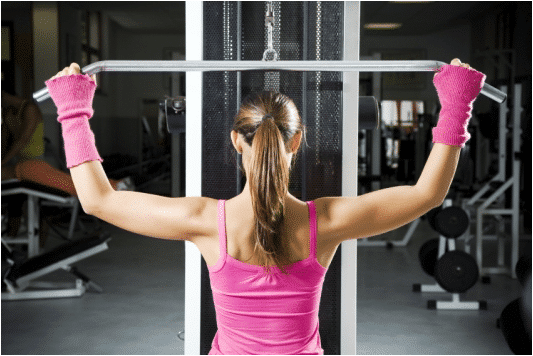
Dead hangs or assisted hangs build grip endurance while improving shoulder health and posture. Even short hangs can make a difference over time.
3. Use Free Weights Instead of Machines
Machines stabilize weight for you. Free weights force your hands and forearms to work harder, increasing grip demand automatically.
4. Add Everyday Grip Challenges
Simple lifestyle habits help:
Gardening
Opening jars manually
Carrying luggage
Using towels instead of straps during workouts
Consistency matters more than intensity.
The Longevity Formula: Cardio + Strength, Not Cardio vs Strength
This isn’t an argument against cardio.
Walking, cycling, running, and swimming remain essential for heart health and metabolic fitness.
However, the modern longevity model has evolved significantly over the past 20 years.
Instead of asking:
“How much cardio should I do?”
The better question becomes:
“How strong and capable is my body overall?”
Grip strength simply happens to be one of the easiest ways to measure that capability.
Research repeatedly shows that stronger individuals tend to have lower mortality risk across multiple diseases and conditions. (Nature)
That’s why many longevity experts now emphasize strength as a foundation, with cardio as a complement.
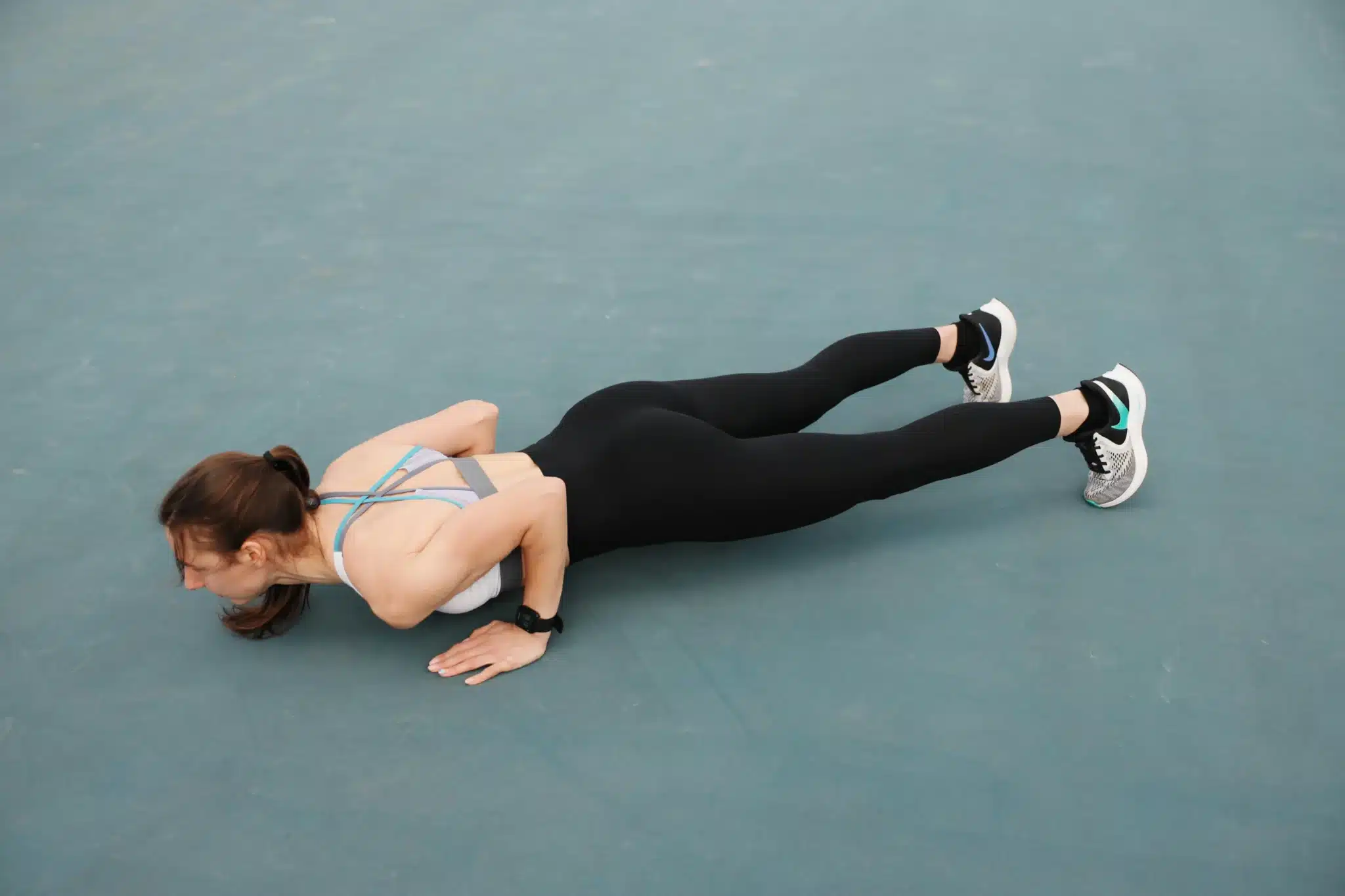
A Simple Weekly Blueprint (Beyond Cardio)
If you want a practical approach, keep it simple:
3–4 days per week
- Walking, cycling, or jogging (20–40 minutes)
2–3 days per week
- Strength training focusing on compound movements:
- Squats
- Rows
- Push-ups
- Carries
- Pulling exercises
Daily
- Stay active with your hands: carry, lift, hang, grip.
No extreme programs required.
The Real Secret: Strength Equals Independence
Perhaps the biggest reason grip strength predicts longevity isn’t biological—it’s practical.
People with stronger bodies stay active longer. They are more active. Some experience fewer falls. They preserve their independence.
And independence drives quality of life.
When researchers examine aging populations, grip strength consistently tracks with mobility, cognitive health, and daily function. (National Geographic)
It’s not about crushing handshakes.
It’s about keeping your life in your hands—literally.
Final Thoughts: The Future of Fitness Is Beyond Cardio
For years, fitness culture focused on burning calories and chasing endurance milestones. But longevity science is shifting the conversation.
Strength matters. Muscle matters. Function matters.
Grip strength has become the unexpected messenger reminding us that health isn’t just about how fast your heart beats—it’s about how well your body works as a whole.
So keep doing your cardio. It’s important.
But if you truly want to future-proof your health, start thinking beyond cardio.
Lift. Carry. Hang. Move with purpose.
Because sometimes, the strongest predictor of a long life isn’t how far you can run…
It’s how firmly you can hold on.
“The body achieves what the mind believes.”
– Napoleon Hill Tweet
Kindly express your opinions within the comments section of this article or any other content available on our platform.
Sources include:
- Scientific report, Nature
- The grip strength, National Geographic
- The BMJ, Associations of grip strength with cardiovascular, respiratory, and cancer.
Related article: Four Ways to Improve Your Treadmill Workout for Weight Loss. Continue reading >>