







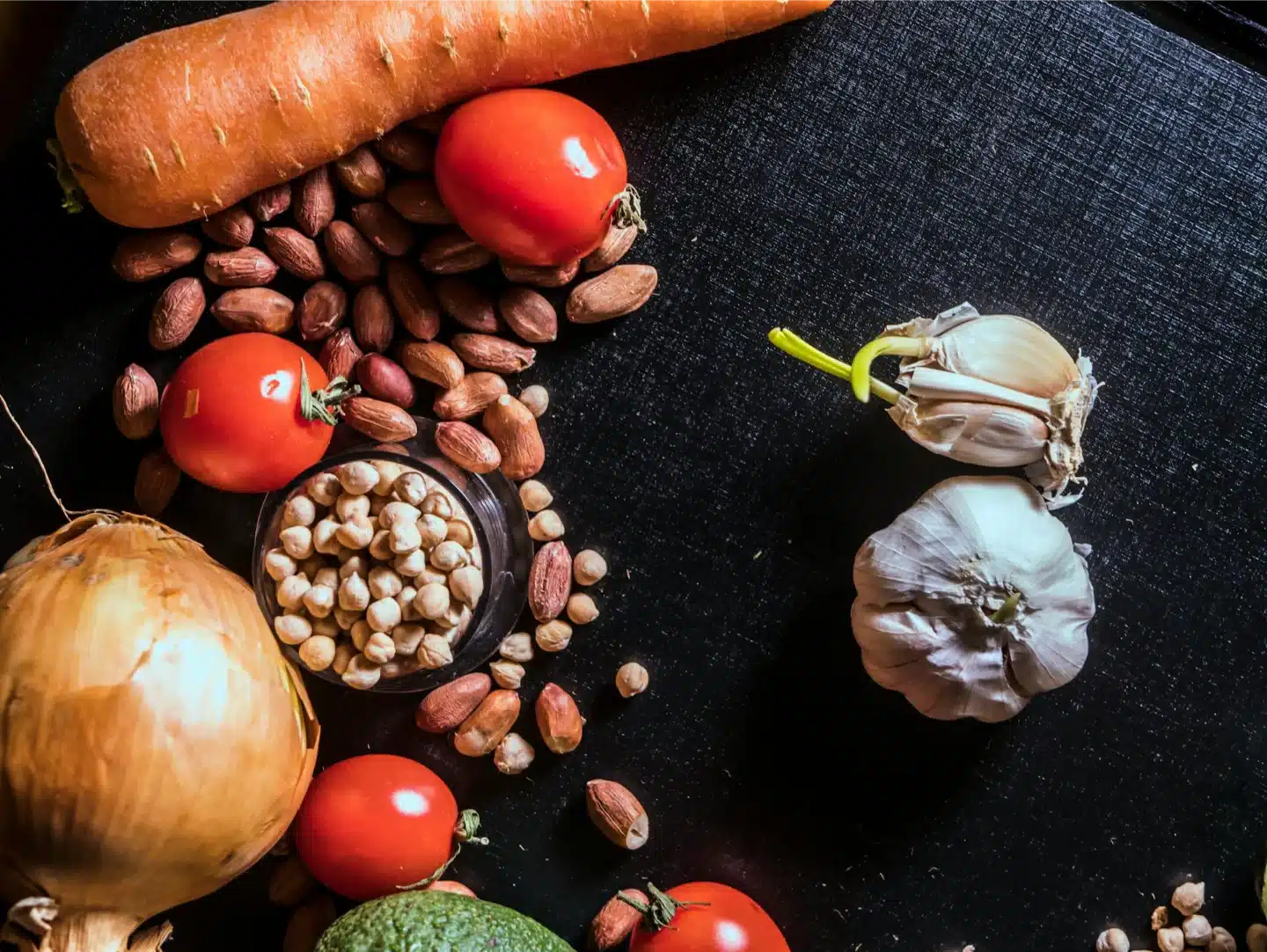
When “Healthy” Becomes Confusing. Walk through any grocery store today, and you’ll see labels screaming organic, gluten-free, non-GMO, plant-based, and all-natural. At first glance, it seems like eating healthy should be easier than ever.
But for many health-conscious shoppers, the opposite is true.
Food trends move fast. One week, gluten-free bread is the miracle solution, the next week everyone is talking about fermented foods, ancient grains, or organic superfoods. Suddenly, you’re left wondering:
Which trends actually matter? Which are just clever marketing?
The truth is that some organic and gluten-free food trends are rooted in genuinely beneficial natural methods—traditional preparation techniques, simple ingredients, and whole-food principles that humans have used for centuries.
Others? Not so much.
And if you’re someone already thinking about health beyond cardio—meaning you care about nutrition, longevity, and overall wellness—understanding these trends can help you make smarter choices at the table.
In this guide, we’ll explore several popular organic and gluten-free food fads, uncover the natural methods behind them, and separate helpful habits from hype.
Why Natural Methods Matter in Modern Food Trends
Before diving into specific trends, it helps to understand why so many people are turning toward organic and gluten-free foods in the first place.
Modern food production often involves:
- Highly processed ingredients
- Synthetic additives and preservatives
- Refined sugars and grains
- Artificial flavor enhancers
While convenient, these processes can strip food of nutrients or introduce ingredients some people prefer to avoid.
Natural food preparation methods aim to reverse that trend by focusing on:
- Whole ingredients
- Minimal processing
- Traditional preparation techniques
- Sustainable agriculture
For many people exploring wellness beyond cardio, nutrition becomes just as important as exercise. The goal isn’t simply burning calories—it’s supporting long-term health through smarter food choices.
1. Fermented Foods: The Ancient Trend That Came Back
One of the biggest organic food trends in recent years is fermentation.
Foods like:
Kimchi
Sauerkraut
Kombucha
Yogurt
Kefir
have exploded in popularity across health blogs and grocery stores.
The Natural Method Behind It
Fermentation is a traditional preservation technique that uses beneficial bacteria to break down sugars in food.
This natural process can:
Enhance flavor
Extend shelf life
Create beneficial compounds
Fermentation has been used for thousands of years in cultures worldwide.
Potential Benefits
Research suggests fermented foods may support digestive health because they contain beneficial microorganisms.
Supporting resource:
Misconception
Not every product labeled “fermented” contains live beneficial bacteria. Some commercial products are pasteurized, which removes many of the microbes.
If you want the natural benefits, look for labels that say “raw” or “contains live cultures.”

2. Gluten-Free Baking with Ancient Grains
The gluten-free movement originally began to help people with celiac disease or gluten sensitivity, but it quickly turned into a mainstream food trend.
Many modern gluten-free foods use ancient grains and naturally gluten-free ingredients, including:
Buckwheat
Millet
Amaranth
Teff
The Natural Method Behind It
Unlike modern wheat varieties that have been heavily modified through selective breeding, ancient grains are closer to their traditional agricultural roots.
These grains are often:
Less processed
Nutrient dense
Naturally gluten-free
They are also frequently grown using organic farming methods, which avoid synthetic pesticides and fertilizers.
Benefits
Ancient grains often provide:
Fiber
Minerals like magnesium and iron
Plant-based protein
Supporting resource:
Misconception
A gluten-free label does not automatically mean healthier.
Some gluten-free products contain:
More sugar
Refined starches
Fewer nutrients than whole grains
The healthiest options are whole, minimally processed grains, not ultra-processed gluten-free snacks.
3. Organic Cold-Pressed Juices
Cold-pressed juice bars have become staples in many cities. These juices often advertise:
- Organic produce
- Raw ingredients
- No added sugars
- Minimal processing
The Natural Method Behind It
Cold-pressing extracts juice using hydraulic pressure instead of heat, which helps preserve delicate nutrients and enzymes.
Compared to traditional juicing methods, this process may:
- Reduce oxidation
- Maintain natural flavors
- Preserve vitamins sensitive to heat
Benefits
Cold-pressed juices can help increase fruit and vegetable intake, which is linked to improved health outcomes.
Supporting resource:
Misconception
Juice should not replace whole fruits and vegetables regularly.
Whole produce contains fiber that helps:
- Slow sugar absorption
- Support digestion
- Increase satiety
Juice can be part of a healthy diet, but whole foods remain the foundation.
For people thinking about health beyond cardio, nutrition balance is key.
4. Sprouted Grains and Seeds
Another popular trend in organic food circles is sprouted grains.
You’ll find them in:
- Bread
- Crackers
- Cereals
- Flour blends
The Natural Method Behind It
Sprouting occurs when grains are soaked and allowed to begin germination.
This activates natural enzymes that:
- Break down starch
- Improve mineral absorption
- Reduce certain anti-nutrients
Sprouting is actually an ancient food preparation technique used long before modern food processing.
Benefits
Sprouted grains may:
- Improve digestibility
- Increase certain vitamins
- Enhance flavor and texture
Supporting resource:
Misconception
Sprouted grains still contain gluten if they come from wheat, barley, or rye.
They may be easier to digest for some people, but they are not gluten-free.

5. Plant-Based Gluten-Free Comfort Foods
The rise of plant-based eating has fueled a new wave of gluten-free foods made from:
- Chickpeas
- Lentils
- Almond flour
- Coconut flour
- Cassava
Examples include:
- Chickpea pasta
- Almond-flour baked goods
- Cassava tortillas
The Natural Method Behind It
These foods rely on whole plant ingredients instead of refined wheat flour.
Many are:
- Naturally gluten-free
- Higher in protein or fiber
- Less processed than traditional flour products
Benefits
Plant-based gluten-free foods can:
- Increase dietary diversity
- Support plant-forward diets
- Provide different nutrients than wheat products
For individuals focused on wellness beyond cardio, diversifying food sources can support overall nutrition.
Misconception
Plant-based doesn’t automatically equal healthy.
Some products are still:
- Highly processed
- High in oils or sugars
- Low in nutrients
Whole-food versions remain the best option.

6. Organic Regenerative Agriculture Foods
A newer trend in organic foods is regenerative agriculture.
This approach focuses on restoring soil health while producing food.
The Natural Method Behind It
Regenerative farming practices include:
- Crop rotation
- Composting
- Reduced tillage
- Cover crops
- Natural soil enrichment
These practices improve soil biodiversity and reduce reliance on synthetic chemicals.
Benefits
Research suggests regenerative farming can:
- Improve soil carbon storage
- Increase nutrient density in crops
- Support ecosystem health
Supporting resource:
Misconception
Regenerative farming is often confused with organic farming.
While they overlap, regenerative agriculture focuses specifically on soil restoration and ecological balance.
How to Spot Genuine Natural Food Trends
With so many labels and marketing claims, it helps to ask a few simple questions when evaluating food trends.
Look for These Signs
Short ingredient lists
Whole foods often contain fewer additives.
Traditional preparation methods
Techniques like:
- Fermentation
- Sprouting
- Slow cooking
- Stone milling
are often rooted in natural food traditions.
Minimal processing
The closer a food is to its original form, the more nutrients it typically retains.
Health Is Bigger Than One Trend
It’s easy to chase the latest organic or gluten-free trend, but real health rarely comes from a single food or diet.
Instead, it comes from consistent habits:
- Balanced nutrition
- Regular movement
- Adequate sleep
- Stress management
- Whole foods
This broader perspective is exactly what many people mean when they think about health beyond cardio.
Cardio exercise is important, but long-term wellness also depends on the quality of the foods we eat every day.
Final Thoughts: Choosing Natural Approaches That Actually Help
Organic and gluten-free food trends aren’t going away anytime soon—and that’s not necessarily a bad thing.
Many popular food fads are actually rooted in time-tested natural methods, including:
- Fermentation
- Sprouting
- Ancient grains
- Plant-based whole foods
- Regenerative agriculture
The key is learning to distinguish genuine natural practices from clever marketing labels.
When you focus on:
- minimally processed foods
- diverse plant ingredients
- traditional preparation techniques
- balanced nutrition
You create a sustainable approach to wellness that goes beyond cardio and supports your health for years to come.
Instead of chasing every new food trend, start with a simple principle:
Choose foods that look closer to nature than to a laboratory.
Your body—and your long-term health—will thank you.
"I decided to not let others' opinions and expectations get in the way of my own personal timeline."
– Kate Upton Tweet
Kindly express your opinions within the comments section of this article or any other content available on our platform.
Related articles: Fueling Your Body Right: The Ultimate Guide to Nutritional Health. Continue reading >>
Explore our Healthy Lifestyle products and find your favorites today.
- Have Questions? Read Our FAQs