


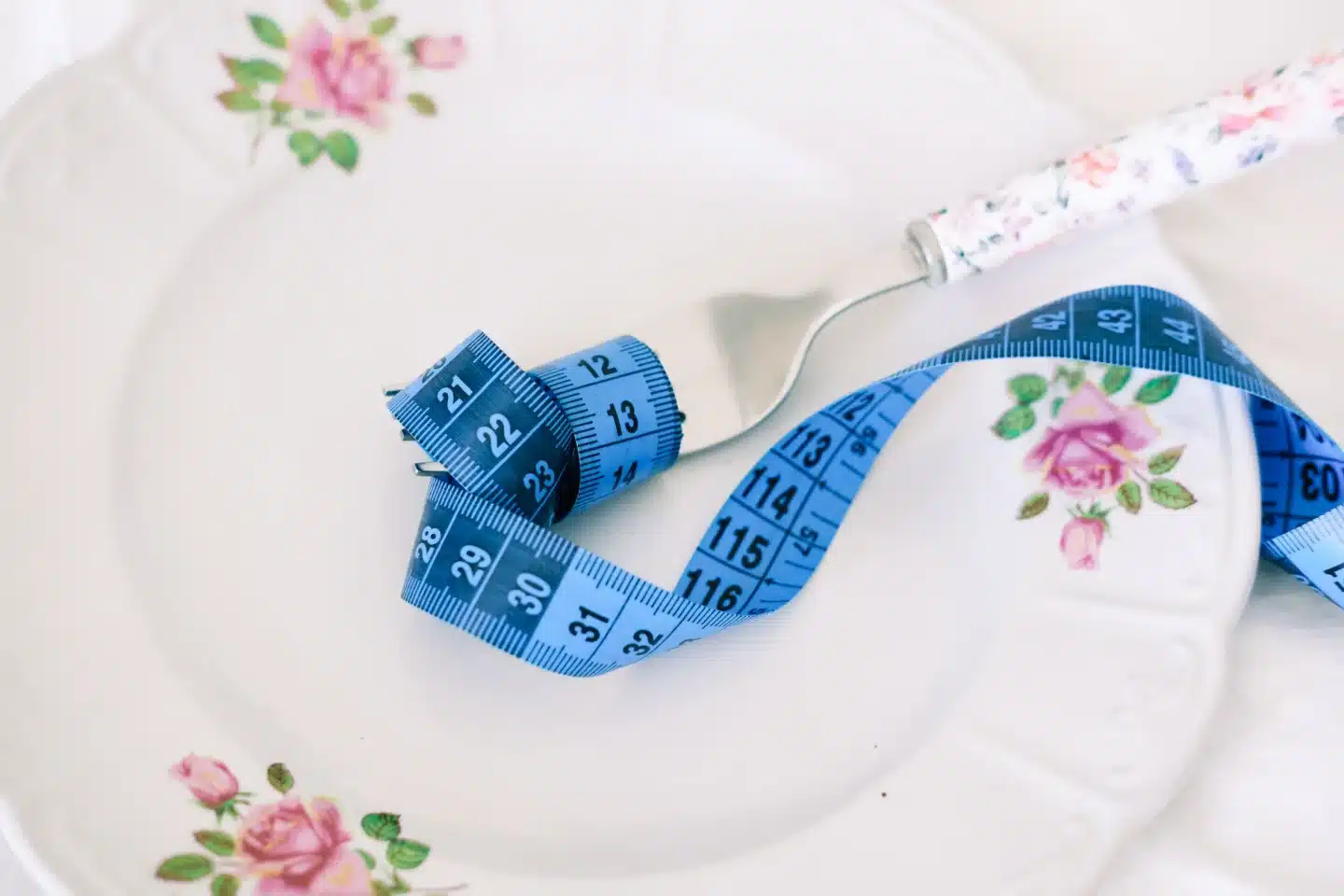









Exploring the misconceptions surrounding weight loss can pave the way for a healthier journey.
Weight loss is a journey that many embark on, but the path is often muddled with myths and misconceptions. Understanding the truth behind these myths can make your journey smoother and more effective.
In this article, we’ll break down some of the most common weight loss myths and provide you with accurate information to help you reach your goals.
Breaking Down Common Weight Loss Myths
- Myth 1: Fad Diets for Quick Weight Loss Reality: Sustainable and Balanced Approaches
- Myth 2: Equality of Calories Reality: Importance of Nutrient Quality
- Myth 3: Carbs and Weight Gain Reality: Choosing the Right Carbohydrates
- Myth 4: Hours of Exercise for Weight Loss Reality: Quality Over Quantity in Workout Regimens
- Myth 5: Weight Loss Injections as Miracle Solutions Reality: Integrating Medical Interventions with Lifestyle Changes
- Myth 6: Targeting Fat Loss in Specific Areas Reality: Understanding Spot Reduction
- Myth 7: Meal Skipping for Weight Loss Reality: Negative Impacts of Skipping Meals
- Myth 8: Supplements as Diet Replacements Reality: Supplements as Support, Not Substitutes
- Myth 9: Water Alone for Weight Loss Reality: Water’s Role in Supporting Weight Loss
- Myth 10: Willpower in Weight Loss Reality: Complexity Beyond Willpower

by Anastasiya Badun (https://unsplash.com/@badun)
Myth 1: You Can Lose Weight Quickly with Fad Diets
Fad diets promise rapid weight loss, but the reality is often less glamorous. These diets typically involve extreme restrictions that are not sustainable in the long term. While you might see quick results initially, these diets can lead to nutrient deficiencies and a slower metabolism.

The Reality: Slow and Steady Wins the Race
Sustainable weight loss is about making long-term changes to your eating and exercise habits. Aim for a balanced diet that includes a variety of nutrients and regular physical activity. Losing 1-2 pounds per week is a healthy and achievable goal.
Myth 2: All Calories Are Equal
It’s easy to think that a calorie is just a calorie, but this oversimplification ignores how different foods affect your body.
The Reality: Nutrient Quality Matters
Your body processes different types of foods in various ways. For example, 100 calories of vegetables will have a different impact on your body than 100 calories of sugary snacks. Focus on nutrient-dense foods that provide vitamins, minerals, and other essential nutrients.
Myth 3: Carbs Make You Gain Weight
Carbohydrates often get a bad rap in weight loss discussions. Many people believe that eating carbs will automatically lead to weight gain.
The Reality: Carbs Are Not the Enemy
Carbohydrates are a crucial energy source for your body. The key is to choose complex carbs, such as whole grains, fruits, and vegetables, over simple carbs like sugary snacks and white bread. Balance is essential—pair carbs with proteins and fats for a well-rounded diet.

by John Arano (https://unsplash.com/@johnarano)
Myth 4: You Have to Exercise for Hours to Lose Weight
The idea that you need to spend hours in the gym to lose weight is daunting and often discouraging.
The Reality: Quality Over Quantity
Effective weight loss doesn’t require hours of exercise. Short, high-intensity workouts can be just as effective as longer sessions.
The key is consistency. Aim for at least 150 minutes of moderate aerobic activity or 75 minutes of vigorous activity per week, combined with muscle-strengthening activities.
Myth 5: Weight Loss Injections are a Miracle Solution
With the rise of medical weight loss solutions, such as semaglutide injections, many believe these are quick fixes.
The Reality: Medical Interventions Are Tools, Not Cures
Weight loss injections, like semaglutide, can be effective but are not miracle cures. They should be used in conjunction with lifestyle changes, such as diet and exercise.
Always consult with a healthcare provider to determine the appropriate dosage and to ensure it’s the right option for you.
Myth 6: You Can Target Fat Loss in Specific Areas
Many products and exercises claim to help you lose fat in specific areas, such as the belly or thighs.
The Reality: Spot Reduction Is a Myth.
You cannot control where your body loses fat. Fat loss happens across the entire body and is influenced by genetics, hormones, and overall body composition. Focus on overall weight loss and body toning through a combination of cardio and strength training exercises.
Myth 7: Skipping Meals Helps You Lose Weight
Skipping meals, especially breakfast, is a common tactic for those trying to lose weight.
The Reality: Skipping Meals Can Backfire
Skipping meals can lead to overeating later in the day and may slow down your metabolism. It’s essential to maintain regular eating patterns and focus on balanced meals that keep you full and energized.

by jack atkinson (https://unsplash.com/@knowjack)
Myth 8: Supplements Can Replace a Healthy Diet
The supplement industry is booming, and many people turn to pills and powders for weight loss.
The Reality: Supplements Are Not a Substitute
While some supplements can support your weight loss journey, they cannot replace a healthy diet and regular exercise. Always consult with a healthcare provider before adding supplements to your routine.
Myth 9: Drinking Water Alone Will Make You Lose Weight
Water is crucial for overall health, but some believe that drinking more water alone will lead to weight loss.
The Reality: Water Supports Weight Loss
Drinking water can help with weight loss by keeping you hydrated and aiding in digestion. However, it should be part of a broader strategy that includes a balanced diet and regular exercise.
Myth 10: Weight Loss Is Only About Willpower
Many believe that weight loss is solely about willpower and discipline.
The Reality: It’s More Complicated
Weight loss is influenced by various factors, including genetics, hormones, and mental health. While willpower plays a role, it’s essential to address these other factors and seek support when needed.
The human body is an incredibly complex and adaptable system.
The Diet Myth Tweet
Conclusion
Understanding the myths surrounding weight loss can help you make more informed decisions and set realistic goals. Remember, sustainable weight loss involves a balanced diet, regular exercise, and sometimes medical interventions.
Always consult with healthcare professionals to create a plan that’s right for you. By debunking these common myths, you’re one step closer to achieving your weight loss goals healthily and sustainably.
Sources include:
- TRS: Weight Loss Facts vs. Myths
- Healthline: Top 12 Biggest Myths About Weight Loss
- Northwestern Medicine: Weight Loss Misconceptions
- BHF: Dieting myths
Kindly express your opinions within the comments section of this article or any other content available on our platform.
Related article: Childhood Obesity, Understanding Its Facts and Myths. Continue reading >>
Explore our Healthy Lifestyle products and find your favorites today.
- Have Questions? Read Our FAQs



A health and wellness informational introduction—addressing common misconceptions about weight loss and encouraging readers to understand the facts in order to support a healthier, smoother, and more sustainable weight loss journey. ✨
Hello, Safia Begum,
Thank you for your comment on this article; we try to do our best. Glad to know that you enjoyed reading this article.
Your feedback is highly appreciated.
Well done. good info. Richard Heft, How to Prevent and Cure Most Disease Naturally via Western Naturopathy, Chinese Medicine and Ayurveda
Hi Richard,
Thank you for your feedback, and your continuous support, have a great weekend.
Thank you.