







Frequently asked questions
Table of Content
Welcome to www.watchurdiet.com — where we don’t chase fads; we build results.
Let’s be honest. Weight loss can feel overwhelmings.
One day, carbs are the enemy. The next day it’s fat. Someone swears by fasting. Someone else says to eat six meals a day. Add social media “experts,” miracle teas, and 30-day transformations, and suddenly you’re stuck wondering:
These FAQs guide breaks it all down in a simple, practical, and friendly way. Bookmark it. Share it. Come back to it whenever you need clarity.
Let’s dive in.
🧠 The “Big Picture” & Mindset
What is a comprehensive weight loss program?
Answer:
It is a medically supervised, multidisciplinary approach that includes tailored nutrition, exercise, and behavioral counseling.
Is weight loss just about eating less and moving more?
Yes — but also no.
Sustainable weight loss requires a consistent, moderate calorie deficit rather than extreme restriction, according to research. Long-term success is driven by managing behavior, sleep, stress, and incorporating balanced nutrition rather than relying solely on willpower. For a more detailed approach, visit pmc.ncbi.nlm.nih.gov.
Should I focus on the scale?
Answer:
The scale measures weight — not progress.
Water retention, glycogen, and hormones can shift numbers daily.
Better metrics:
- Waist measurements
- Progress photos
- Strength gains
- Energy levels
Who is a candidate?
Answer:
Individuals looking to lose weight for health reasons, including those needing to lose a few pounds, to those dealing with obesity-related conditions.
🥗 Nutrition & Diet
Is keto better than other diets?
Answer:
Keto can work — because it reduces calories.
But studies show that most diets work when they create a calorie deficit. Long-term adherence matters more than diet style.
Best diet?
The one you can sustain.
How much protein should I eat?
Answer:
For fat loss and muscle preservation:
0.7–1.0 grams per pound of goal body weight is a helpful range.
Protein increases satiety and helps maintain lean mass during calorie restriction.
What kind of diet should I follow?
Focus is often on customized nutrition plans, such as high-protein, low-carb diets or meal replacements, rather than on one-size-fits-all dieting.
What is the "healthy plate" method?
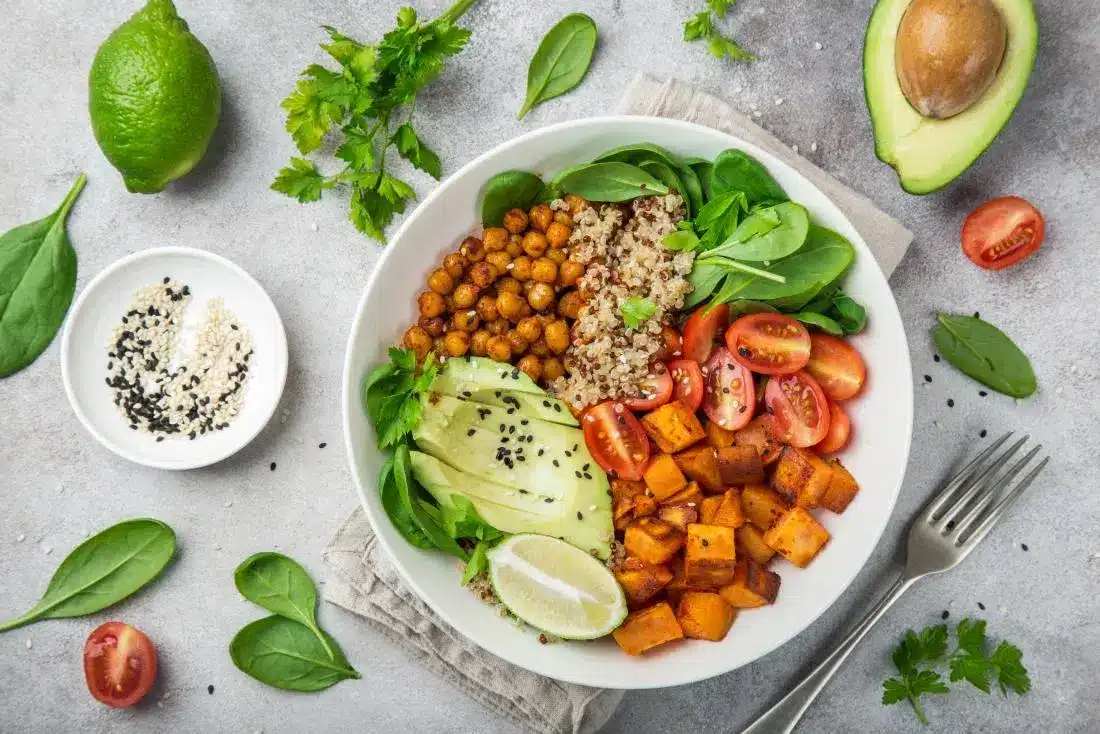
A visual guide to portion control, focusing on lean protein, fiber, and vegetables.
🍽 Daily Meal
Are carbs bad for weight loss?
Answer: No.
Carbs are not the enemy. Overeating is.
According to the Mayo Clinic, whole grains, fruits, and vegetables play a crucial role in supporting metabolic health.
Solution:
Prioritize:
- Fiber-rich carbs
- Lean proteins
- Healthy fats
Limit ultra-processed foods.
What should I eat to lose weight?
Answer:
Focus on nutrient-dense foods: lean meats, poultry, fish, eggs, tofu, beans, nuts, seeds, and plenty of vegetables
What foods should I avoid?
Limit refined carbohydrates (white bread/rice), sugary foods, fried items, and high-fat dairy or saturated fats.
How many calories should I eat per meal?
Answer:
A common target is 300–400 calories for breakfast, 400–500 for lunch, and 400–500 for dinner, with snacks around 150–200 calories.
🏃 Exercise & Metabolism
Is cardio necessary for weight loss?
Answer:
Cardio helps burn calories. But strength training protects muscle.
Research published in the American College of Sports Medicine supports combining both for optimal body composition.
Best combo:
- 3–4 days of strength training
- 2–3 days cardio
- Daily walking
Is my metabolism “broken”?
Answer:
True metabolic damage is rare.
Weight loss slows metabolism slightly because your body adapts. This is called adaptive thermogenesis.
But your metabolism isn’t broken — it’s adjusting.
Solution:
- Preserve muscle with strength training
- Avoid extreme crash diets
- Maintain adequate protein intake
Do I need to sweat for fat loss?
No.
Sweat is fluid loss — not fat loss.
Fat loss happens when your body oxidizes stored energy over time.
What exercise is best?
Answer:
Plans usually incorporate both cardio and strength training, often guided by specialists.
🛌 Lifestyle & Practical
Does sleep affect weight loss?
Absolutely.
Sleep deprivation increases hunger hormones like ghrelin and reduces leptin. Research from Stanford University highlights the link between sleep and appetite regulation.
Goal: 7–9 hours nightly.
How important is stress management?
Answer:
Chronic stress elevates cortisol levels, which may increase cravings and contribute to abdominal fat storage.
Helpful tools:
- Walking outdoors
- Journaling
- Meditation apps
- Deep breathing
What’s the easiest habit to start with?
Answer: Walking.
Aim for 7,000–10,000 steps daily. It’s low-impact, sustainable, and powerful.
🔬 Fundamental & Scientific
What actually causes fat loss?
Answer:
Fat loss happens when your body uses stored triglycerides for energy due to a calorie deficit.
The laws of thermodynamics apply. -Energy balance matters.
For a deeper understanding, refer to the Centers for Disease Control and Prevention’s weight management resources.
How does it differ from fad diets?
Answer:
It focuses on sustainable, long-term lifestyle changes rather than temporary fixes, often addressing the underlying biological, medical, and psychological factors.
Can spot reduction work?
No.
You cannot target fat loss in specific areas through exercise alone. Fat loss is systemic.
Do fat burners work?
Answer:
Most over-the-counter fat burners provide minimal benefit compared to nutrition and activity changes.
Caffeine may slightly increase calorie burn, but the results are small.
🍽 Nutrition & Habit-Based
How do I stop overeating at night?
Answer:
Common causes:
- Under-eating earlier
- Emotional triggers
- Habit loops
Strategies:
- Eat balanced meals
- Increase protein
- Create a kitchen “closing routine.”
Is intermittent fasting better than calorie counting?
Answer:
Intermittent fasting works by limiting eating windows, which can reduce calorie intake.
It’s a tool — not magic.
Choose what fits your lifestyle.
Should I track calories?
Tracking increases awareness.
You don’t need to track forever — but it helps initially to understand portions.
Apps can simplify this process
💬 Psychological & Motivational
How long does sustainable weight loss take?
Answer:
Healthy fat loss averages:
- 0.5–1% of body weight per week
Slow progress is sustainable progress.
Why do I self-sabotage?
Answer:
Often, it’s all-or-nothing thinking.
“I ate one cookie, so the day is ruined.”
Instead:
Progress > perfection.
How do I stay consistent?
Make it easy.
If your plan feels extreme, it’s too hard.
Simplify:
- 3 core meals
- 3 weekly workouts
- Daily steps
How do I break bad habits?
Answer:
The program often includes cognitive behavioral therapy (CBT) or counseling to address emotional eating and behavioral barriers.
What support is available?
Answer:
This includes support groups, one-on-one counseling, and educational sessions.
🩺 Medical & Specialized
What if I have thyroid issues?
Answer:
Conditions like hypothyroidism can slow metabolism.
Consult a licensed healthcare provider for lab work and proper treatment.
Should I see a doctor before starting?
Answer:
If you have:
- Diabetes
- Cardiovascular disease
- Hormonal disorders
- BMI over 35
Yes — consult a medical professional first.
What happens in the first visit?
A complete evaluation, including a medical history, physical, and body composition analysis.
What is medical weight loss?
Answer:
A structured program supervised by doctors, nurse practitioners, or dietitians to create a personalized plan.
Does menopause affect weight loss?
Answer:
Hormonal shifts can influence fat distribution and muscle mass.
Strength training becomes even more critical during this phase.
🔁 Weight Management:
Are weight loss medications safe?
Answer:
Yes, FDA-approved medications (like GLP-1 agonists) are safe when prescribed and monitored by professionals.
What about bariatric surgery?
Answer:
Questions cover the eligibility, risks, and benefits of procedures such as gastric bypass or sleeve gastrectomy.
Does insurance cover this?
Many, but not all, programs and surgeries are covered; Their FAQs usually advise verifying benefits.
Why do I lose motivation so quickly?
Answer:
Motivation fades. Systems don’t.
Behavior science research from Harvard T.H. Chan School of Public Health shows that long-term success comes from environment design and habit loops — not willpower.
Solution:
Create routines. Meal prep. Schedule workouts. Reduce friction.
🔁 Results & Long-Term Management
Why do people regain weight?
Answer:
Often because:
- They return to old habits
- The diet was too extreme
- They never built maintenance routines
How do I maintain weight loss?
Answer:
Transition gradually.
Increase calories slowly while maintaining:
- Strength training
- Protein intake
- Step count
Is maintenance harder than losing weight?
In many ways, yes.
But maintenance becomes easier when habits are automatic.
Weight maintenance is simply long-term balance.
How much weight can I expect to lose?
Answer:
Common goals are 5–15% body weight, though this varies based on the program and individual.
How long does it take?
Answer:
Programs may be 12 weeks to a full year, often with lifelong follow-up to prevent weight regain.
What if I hit a plateau?
A plateau is defined as 4+ weeks of no change, and the team will help adjust nutrition/exercise routines.
Healthy Lifestyle Q&A
What Should I Do If I Experience Setbacks or Challenges?
First: Expect setbacks. They are part of the process.
Healthy living is not linear. Stressful weeks, holidays, travel, emotional days — they happen.
The difference between success and failure isn’t perfection. It’s recovery speed.
The 3-Step Reset Formula:
1. Drop the guilt.
Guilt prolongs setbacks. Data helps you adjust. Emotions stall you.
2. Do the next right thing.
Not a 30-day detox. Not punishment cardio.
Just drink water. Go for a walk. Eat a balanced meal.
3. Zoom out.
One off-day doesn’t erase months of progress. Long-term trends matter more than daily fluctuations.
According to behavior research from Stanford University, habit formation studies, long-term success correlates more with consistency than intensity.
👉 Your power is in the comeback — not the mistake.
How Do I Overcome the “All-or-Nothing” Mentality?
Answer:
The “all-or-nothing” mindset sounds like this:
-
“If I can’t do it perfectly, why bother?”
-
“I already messed up today, I’ll restart Monday.”
-
“I need a total reset.”
This mindset creates extreme cycles: restriction → burnout → guilt → repeat.
Replace It With the 80% Rule:
Aim to make supportive choices about 80% of the time. Leave room for flexibility.
The World Health Organization emphasizes balanced lifestyle approaches rather than rigid perfection.
👉 https://www.who.int/news-room/fact-sheets/detail/healthy-diet
Practical Reframes:
❌ “I missed my workout.”
✅ “I’ll move my body tomorrow.”
💡 “Or I ate something unhealthy.”
✅ “One meal doesn’t define my health.”
❌ “I failed.”
✅ “I’m learning.”
Progress is built on sustainable moderation — not extremes.
What Is a Realistic Timeframe to See Results?
This is where expectations often sabotage success.
⏳ Week 1–2:
Improved energy
Better digestion
Slight mood improvements
⏳ Weeks 3–6:
Noticeable strength increases
Clothes fitting differently
Improved sleep consistency
🌟 8–12 Weeks:
Visible body composition changes.
Measurable fitness gains
More stable habits
Research from the Mayo Clinic suggests meaningful health markers (blood pressure, cholesterol, weight trends) often begin improving within a few weeks of consistent behavior change.
👉 https://www.mayoclinic.org/healthy-lifestyle
💡 Real transformation happens over months — not days.
The real win? You stop starting over.
Do I need special food?
Answer:
Programs may recommend or provide specific meal replacements, particularly for the initial phase.
Real Change Without the Overwhelm
What Are Some Simple, Sustainable Ways to Start a Healthy Lifestyle?
Answer: The biggest mistake people make? Trying to change everything at once.
Instead of overhauling your entire life, focus on the minimum effective change. Small habits compound faster than dramatic, short-lived efforts.
✅ Start With These 5 Simple Foundations:
1. Walk daily.
Aim for 7,000–10,000 steps. Walking reduces heart disease risk and supports weight management. Research from the Centers for Disease Control and Prevention supports regular physical activity as one of the most powerful health tools available.
👉 Learn more: https://www.cdc.gov/physicalactivity
2.Prioritize protein and plants.
Build meals around lean protein, vegetables, fruits, and whole foods. The Harvard T.H. Chan School of Public Health offers practical nutrition guidance through its Healthy Eating Plate.
👉 https://www.hsph.harvard.edu/nutritionsource
3. Hydrate consistently.
Many cravings are dehydration in disguise. Aim for half your body weight (in pounds) in ounces of water daily as a general guide.
4. Protect your sleep.
7–9 hours nightly supports metabolism, recovery, and mood. The National Sleep Foundation outlines evidence-based sleep recommendations.
👉 https://www.sleepfoundation.org
5. Reduce ultra-processed foods gradually.
Not by restriction — by replacement. Add nourishing foods first.
💡 The key: Add before you subtract. Build momentum with wins.
How Do I Stay Motivated to Maintain New Healthy Habits?
Answer:
Let’s reframe something important:
👉 Motivation is unreliable. Systems are reliable.
Even elite performers don’t rely on constant motivation. Research popularized by James Clear shows that behavior change works best when tied to identity and environment design.
Try This Instead:
🔁 Habit stacking:
Attach a new habit to something you already do.
Example: After brushing your teeth → 10 bodyweight squats.
📅 Lower the bar:
Can’t do a 45-minute workout? Do 5 minutes. Consistency beats intensity.
🧠 Focus on identity:
Instead of “I’m trying to get healthy,” shift to:
“I’m becoming someone who takes care of my body.”
📊 Track small wins:
Use a simple habit tracker or calendar. Visible progress reinforces behavior.
Remember: Motivation follows action — not the other way around.
What actually works?
Here’s the truth:
Weight loss isn’t about hacks. It’s about understanding the big picture — mindset, nutrition, movement, lifestyle, science, and sustainability.
Final Takeaway: The Real Secret to Weight Loss
There’s no magic pill.
No perfect macro ratio.
No single workout.
The real formula?
✔ Sustainable calorie control
✔ Strength training
✔ Daily movement
✔ Adequate sleep
✔ Stress management
✔ Habit consistency
Weight loss isn’t about suffering.
It’s about building a lifestyle that supports your health long after the scale changes.
The Real Secret to a Healthy Lifestyle
It’s not a 30-day challenge.
It’s not cutting carbs.
And it’s not punishing workouts.
It’s this:
Small actions. Repeated. Without drama.
If you:
-
Walk most days
-
Eat mostly whole foods.
-
Sleep consistently
-
Reset quickly after setbacks.
-
Reject perfectionism
You will see results.
Not because you went extreme —
But because you stayed consistent.
Final Encouragement
You don’t need to be perfect.
You don’t need to be motivated every day.
Also, you don’t need to change everything at once.
You just need to start small… and keep going.
Your future health isn’t built in heroic moments.
It’s built on ordinary days, done well.
And that? That’s completely within your control.
📚 List of other Helpful Resources
- National Institutes of Health – https://www.nih.gov
- Centers for Disease Control and Prevention – https://www.cdc.gov
- Mayo Clinic – https://www.mayoclinic.org
- American College of Sports Medicine – https://www.acsm.org
- Harvard T.H. Chan School of Public Health – https://www.hsph.harvard.edu
- The World Health Organization – https://www.who.int/news-room/fact-sheets/detail/healthy-diet
If you found this helpful, explore more evidence-based guidance at www.watchurdiet.com — where smart nutrition meets real life.
- This advice is for educational purposes and not a substitute for professional medical advice.
- Last reviewed and updated June 06/2026