


Building muscle is more than just a byproduct of time spent in the gym; in 2026, experts increasingly emphasize that it is primarily a metabolic process driven by what you eat.
To achieve hypertrophy—the growth of muscle cells—your diet must provide the specific “bricks” needed for repair while maintaining a steady hormonal environment.
Whether you are looking to tone up, increase strength, or protect against age-related muscle loss, success depends on moving beyond basic protein shakes to a comprehensive nutritional strategy.
This guide explores seven science-backed ways to optimize your diet for maximum muscle gain in 2026.
Eat For More Muscle, And Better Overall Health.
You’re eating: Fat-Free Flavored Yogurt.
(Muscle move: Fat-free Greek Yogurt)
When companies remove the fat from yogurt, they usually add sugar to make up for the loss of flavor.
Greek yogurt is naturally much creamier than plain yogurt, so you can’t really tell it’s fat-free, and it has more than twice the protein and only half the carbs.
For more flavor, add your own fruit, such as berries or bananas.
Eating: Chunk White Tuna.
(Muscle move: Canned Salmon)
Chunk white tuna, though a great source of protein, contains almost three times more
mercury than other types of tuna and has low levels of healthy omega-3 fatty acids.
Canned salmon offers virtually the same amount of protein, but it’s more flavorful, with much less mercury and lots more omega-3s.
For quick salmon burgers, mix one can of salmon with one whole egg, one chopped scallion, two crushed whole-wheat crackers, and a splash of low-sodium soy sauce.
Shape into patties and cook in a nonstick skillet for five minutes on each side over medium heat.
You’re Drinking: Skim Milk.
(Muscle move: Calorie Countdown)
Milk has vitamins, minerals, and some of the best protein on the planet, but the sugar in it can inflate your waistline.
Calorie Countdown is just like regular milk, but with some of the sugar removed.
The chocolate version has 90% less sugar than regular chocolate milk (for a list of retailers and additional info on Calorie Countdown’s availability nationwide, check out hphood.com).
Eating: Whole-Wheat Pasta.
(Muscle move: Spaghetti Squash)
Even though whole-wheat pasta contains more fiber than the conventional kind, a serving can still pack as many as 40 grams of carbs.
Spaghetti squash, once cooked, can be shredded to replicate spaghetti. The result is a tasty bowl of “pasta” without a lot of fattening carbs (about 10 per serving).
Spaghetti squash is also a great way to sneak another couple of servings of veggies into your diet. Preparation: Cut it in half lengthwise and scoop out the seeds.
Microwave both halves for seven minutes, flip them over, and microwave for another seven minutes. When they are done cooking, rake a fork down the inside of the meat of the squash. Strands of “spaghetti” will magically appear.
Drinking A Shake with a Mixture of Protein and Carbs.
(Muscle move: A Carb/Protein shake plus a dose of BCAAS)
A carb and protein-rich shake will jump-start your recovery after a weight workout, but by adding a shot of branched-chain amino acid powder to the mix, you can further boost your muscle growth.
BCAAs like leucine help stimulate the production of insulin, the body’s most muscle-building hormone, and trigger the genes responsible for muscle growth.
Add 5 to 10 grams of powder to your shake (or, if you buy them in capsule form, unscrew the cap and pour the contents in).
You’re Drinking A Cup of Coffee.
(Muscle move: Green Tea)
Aside from improving overall health and fighting cancer, green tea has been shown to help reduce stomach fat by increasing fat oxidation directly in your abdomen.
Shoot for at least three cups a day. If you can’t do that, grab a green tea extract supplement.
Having A Slice of Skinless Chicken Breast.
(Muscle move: Lean Beef)
If you’re having trouble gaining muscle weight, you may want to switch to lean beef. Red meat has plenty of protein, but also creatine, and more vitamins, minerals, and calories than. Chicken. It could be the change you need to get your muscles growing again.
Diet Tips:
Don’t be taken in by these misconceptions.
- Eat ground turkey instead of ground beef. The perception is that turkey is leaner than beef, but this isn’t always true.
Ground turkey is a better option if you can find 99% lean ground turkey. Otherwise, you’re better off going with extra-lean ground beef. Either way, always go for a package with 3% fat or less.
- Eat steel-cut oats instead of rolled oats. This Strong recommendation is often made because steel-cut oats are thought to digest more slowly.
Yet research shows that both kinds of oats have the same effect on blood sugar. Steel-cut oats take 30 minutes to cook, and rolled oats only five or fewer, so base your decision on the time you have.
“What I know for sure is this: The big secret in life is that there is no big secret. Whatever your goal for this year is, you can get there—as long as you're willing to be honest with yourself about the preparation and work involved. There are no back doors, no free rides. There's just you, this moment, and a choice.”
— Oprah Tweet
Important tips
- Prioritize High-Leucine Proteins: Focus on foods like eggs, Greek yogurt, and soybeans, which are rich in leucine, the key amino acid that triggers muscle protein synthesis.
- Distribute Intake Evenly: Aim for 20–40 grams of protein at every meal to keep your body in a “muscle-building zone” throughout the day.
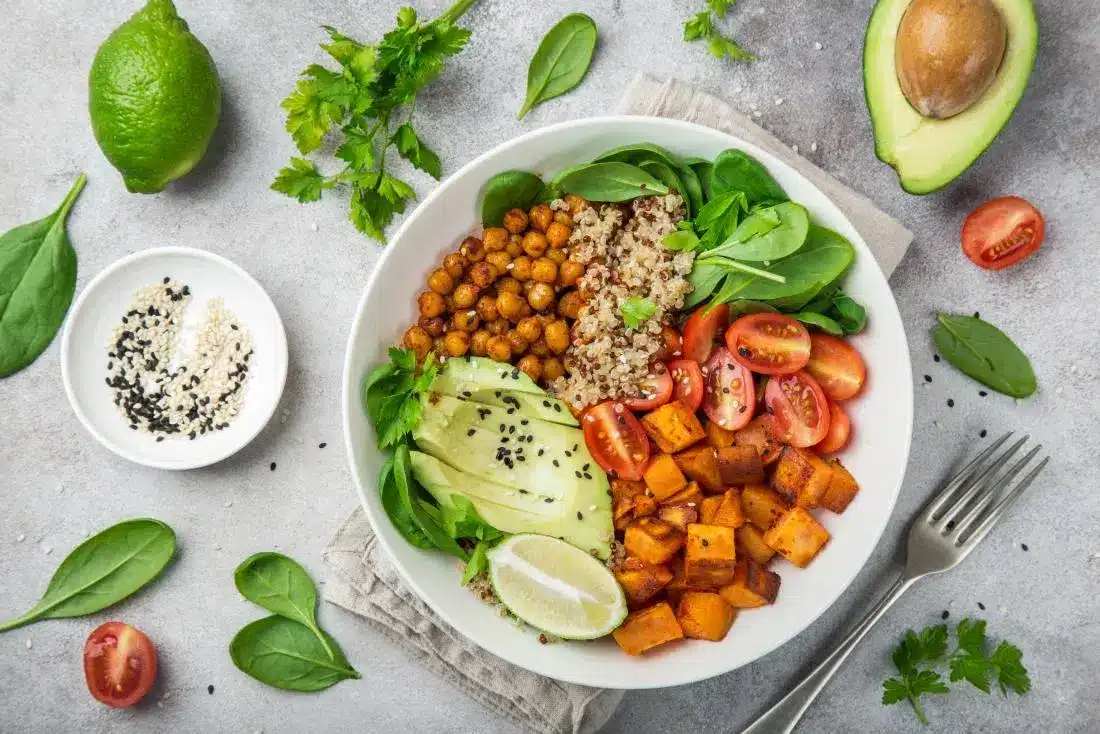
- Fuel with Complex Carbohydrates: Use oats, quinoa, and sweet potatoes to replenish glycogen stores, providing the energy needed for intense training.
- Maintain a Strategic Caloric Surplus: Aim for a conservative daily surplus of 200–500 calories to support growth without excessive fat gain.
- Leverage Omega-3 Fatty Acids: Include fatty fish like salmon to reduce inflammation and potentially improve muscle performance.
- Incorporate Liquid Calories: For those with high energy needs, smoothies containing nut butters and oats are an effective way to boost intake without feeling overly full.
- Timing Pre- and Post-Workout Meals: Consume a mix of protein and carbs within 30–60 minutes of training to jump-start recovery and prevent muscle breakdown.
Sources include:
Kindly express your opinions within the comments section of this article or any other content available on our platform.
Related article: Did You Eat Too Much? How to Get Back on Track. Continue Reading >>