





Embarking on a weight loss journey can be both exciting and challenging. While many seek quick fixes, the most effective and sustainable approach involves adopting a well-structured diet meal plan rooted in nutrition and balanced choices.
Creating a diet that promotes free weight loss and supports a healthier lifestyle requires understanding fundamental principles, thoughtful planning, and ongoing motivation.
This article explores key strategies to develop and maintain an effective diet plan that encourages gradual, healthy weight reduction without sacrificing overall well-being.
Understanding the Fundamentals of a Balanced Diet for Weight Loss
A balanced diet for weight loss revolves around the right proportions of macronutrients—carbohydrates, proteins, and fats—along with essential micronutrients like vitamins and minerals.
Carbohydrates should primarily come from complex sources such as whole grains, vegetables, and legumes, providing sustained energy and fiber that promotes satiety. Proteins, found in lean meats, dairy, beans, and nuts, are vital for muscle preservation and repair, especially when calorie intake is reduced.

Healthy fats, like those from avocados, olive oil, and fatty fish, support brain health and hormone regulation. Ensuring a balance among these components helps prevent nutritional deficiencies while fostering gradual weight loss.
In addition to macronutrients, hydration and portion control are critical elements of a balanced diet. Drinking adequate water supports metabolism and helps control hunger, reducing the likelihood of overeating.
Portion control involves mindful serving sizes that align with individual calorie needs, which vary based on age, gender, activity level, and health status. Incorporating a variety of nutrient-dense foods not only aids in weight management but also enhances overall health, boosting immune functions and reducing the risk of chronic diseases.
Understanding these fundamentals provides a solid foundation for creating an effective, sustainable diet meal plan.

Planning Meal Options to Support Free and Sustainable Weight Reduction
Effective meal planning is essential for maintaining consistent progress toward weight loss goals. Start by preparing weekly menus that incorporate a variety of wholesome foods, ensuring a mix of flavors and nutrients to prevent boredom and promote adherence.
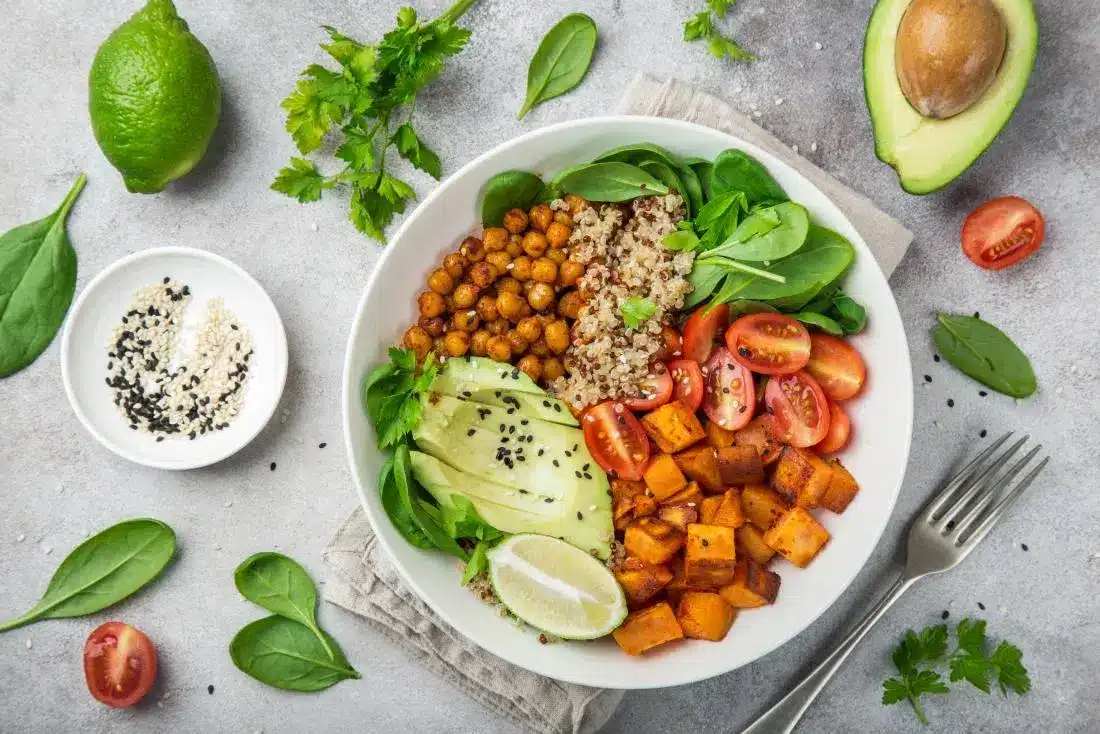
Incorporate balanced meals that include lean proteins, fiber-rich vegetables, and whole grains, which help control appetite and stabilize blood sugar levels. Additionally, planning reduces impulsive eating and reliance on processed or convenience foods, which often contain excess calories and unhealthy fats.
Flexibility is key to sustaining a meal plan over time. Incorporate healthy snacks such as nuts, fruits, or yogurt to prevent hunger between meals and avoid overeating during main meals. Portion control remains crucial; using measuring tools or visual cues can help maintain appropriate serving sizes.
Moreover, consider meal prepping to save time and ensure access to nutritious options throughout the week. By thoughtfully planning meals aligned with your calorie and nutritional needs, you create a sustainable framework that supports ongoing weight loss without feelings of deprivation.
Incorporating Nutrient-Dense Foods for Overall Health Improvement
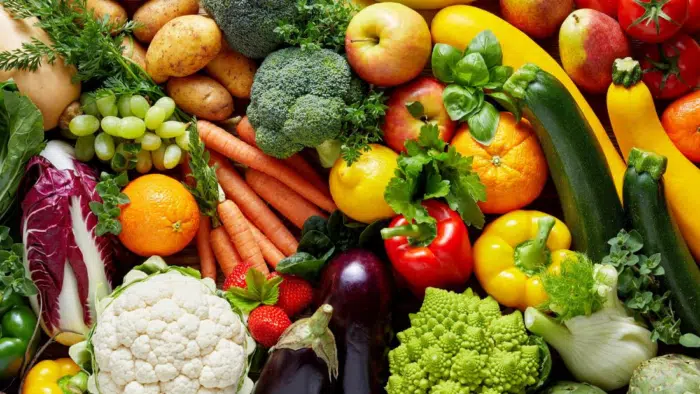
Focusing on nutrient-dense foods ensures that while you reduce calorie intake, your body still receives essential vitamins, minerals, and antioxidants necessary for optimal health. Vegetables and fruits are among the most nutrient-rich foods, offering fiber, phytochemicals, and hydration that support digestion and immune function.
Incorporating a colorful variety of produce not only enhances flavor and visual appeal but also maximizes nutrient intake. Whole grains like oats, brown rice, and quinoa provide fiber and sustained energy, helping to reduce cravings and support digestive health.
Protein sources should be lean and minimally processed, such as poultry, fish, beans, and tofu. These foods contribute to muscle maintenance and repair, especially important during weight loss phases. Healthy fats from sources like nuts, seeds, and olive oil support cardiovascular health and hormone production.
By prioritizing nutrient-dense foods, individuals can optimize their health outcomes, improve mood and energy levels, and create a more satisfying and sustainable diet. This approach emphasizes quality over quantity, making healthy choices enjoyable rather than restrictive.
Tips for Maintaining Motivation and Tracking Progress Effectively
Sustaining motivation throughout a weight loss journey can be challenging, but setting realistic, measurable goals helps keep progress tangible and encouraging. Keeping a journal or using mobile apps to log meals, physical activity, and weight changes provides valuable feedback and accountability.
Celebrating small milestones, such as improved energy levels or clothing fit, reinforces positive behavior and fosters confidence. Additionally, surrounding oneself with supportive communities or accountability partners can create a sense of shared purpose and motivation.
Regularly monitoring progress through consistent weighing and body measurements allows for adjustments to be made as needed. It’s important to remember that fluctuations are normal, and focus should remain on long-term trends rather than day-to-day changes.
Incorporating diverse physical activities, like walking, cycling, or strength training, complements dietary efforts and enhances overall well-being. Maintaining motivation involves cultivating a positive mindset, practicing patience, and recognizing that sustainable weight loss is a gradual process. Staying committed to healthy habits, rather than seeking quick results, ultimately leads to lasting lifestyle improvements.
Conclusion
Adopting an effective diet meal plan for free weight loss and a healthier lifestyle is a comprehensive process rooted in understanding nutrition, planning thoughtfully, and maintaining motivation.
By focusing on balanced, nutrient-dense foods and creating sustainable habits, individuals can achieve their weight loss goals while enhancing overall health. Remember, the journey toward wellness is a marathon, not a sprint—patience, consistency, and a positive outlook are key to lasting success.
Sources include:
- The Mayo Clinic Diet: A weight-loss program for life.
- NHS Eating a balanced diet
Kindly express your opinions within the comments section of this article or any other content available on our platform.
Related article: How to Escape Diet Culture and Discover Balance in the New Year. Continue reading. >>
Explore our Healthy Lifestyle products and find your favorites today.
- Have Questions? Read Our FAQs