










Losing weight isn’t solely about getting rid of the excess pounds, fat, and flab on your physique. Indeed, you will shed weight through exercise and dieting, but that’s only part of the equation.
You’ll also lose weight by refining your body, making it more toned, slender, and appealing. When it comes to successful weight loss, establishing SMART goals can significantly impact your journey.
SMART represents Specific, Measurable, Achievable, Relevant, and Time-bound. By applying these concepts to your weight loss efforts, you can enhance your likelihood of success and attain the outcomes you want.
However, the effort required for your body begins in your mind. If you lack the discipline, drive, and determination to meet your weight loss objectives, you are unlikely to accomplish them.
Here are several suggestions for creating SMART goals for effective weight loss:
1. Be Specific: Rather than simply aiming to “lose weight,” get specific about your goals. For example, you could aim to lose a certain number of pounds or inches, fit into a specific clothing size, or improve your overall fitness level. The more specific your goals, the easier it will be to track your progress and stay motivated.

2. Make it Measurable: To ensure that you are making progress towards your weight loss goals, it’s important to have measurable targets. This could involve tracking your weight on a scale, taking body measurements, or monitoring your fitness level through activities such as running or weightlifting.
Measurable goals allow you to see tangible results and adjust your approach if necessary.
3. Stay Relevant:
When setting weight loss goals, it’s crucial to consider your motivations and reasons for wanting to lose weight. What is important to you? Is it improving your health, boosting your self-confidence, or simply feeling more comfortable in your skin?
By setting goals that align with your values and aspirations, you’ll be more likely to stay committed and motivated throughout your weight loss journey.
4. Time-Bound Goals: Deadlines can be powerful motivators, so be sure to set time-bound goals. This means giving yourself a specific timeframe to achieve your weight loss goals.
For example, you could aim to lose a certain amount of weight within three months or fit into your desired clothing size by a particular date. Having a sense of urgency can help you stay focused and dedicated to your weight loss efforts.
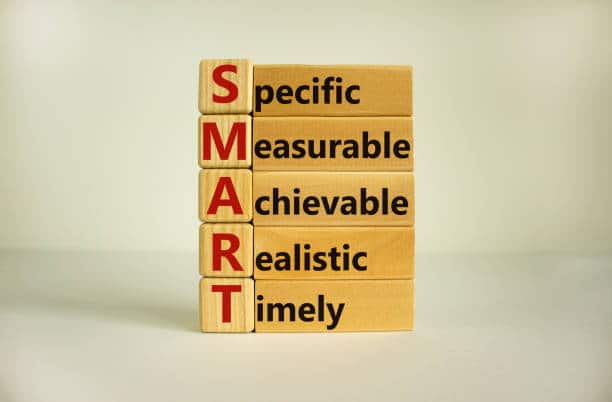
Set Achievable Goals:
While it’s great to aim high, it’s also important to set goals that are realistic and achievable. Be honest with yourself about your current fitness level, time constraints, and lifestyle factors.
Setting overly ambitious goals can lead to frustration and disappointment. Start with small, achievable goals and gradually increase the difficulty as you progress.
Set your short-term goals:
Measuring progress is important to hit your short-term goals and keep you motivated. Until the completion of the program, this process can repeat over and over while you are losing weight.
If you can do your plan for one week. Then you can do it for two weeks, and so on, without even thinking about how long it might take.
When you look at a diet and exercise program that only lasts a week. Think about how possible that is to do, and then just do it another week.
You change your thinking and adjust everything to a weekly amount. Like losing 1 to 2 pounds a week, instead of losing a month. It is a much simpler way when you only need to think about seven days at a time.
When you say exercising every day, it sounds like more effort than saying take a 15-minute walk after dinner.
Your Medium Goals:
Once your short-term goals are met, you will move on to medium goals that are more advanced. To succeed in the first part, you will lose weight and change your mental attitude. Before you move on to the second, more challenging part.
In this second part, you are aiming for higher goals. Building on the physical strength already gained, as well as the psychological strength.
Once you reach the second phase, you will be increasing everything. So instead of losing one pound a week, it will be two pounds.
If it becomes necessary for emotional help, it will be there, and walking time will be increased, while food becomes less and healthier.

Be aware of your progress:
Between the time you start your weight loss program. If your desired weight loss goal has been completed, you will need a way to track your progress.
You can record your targets and actual results in a diary. You could put written entries into a simple notebook or use a computerized database, whichever you prefer.
Several things can also comprise this diary, such as mistakes made. Effective motivational methods or any lessons learned. View it as adding to your gains.
The best answer to healthily losing weight is to change your attitude. So that only positive things come out of your mouth.
Once your plans have been set, and you’ve been following through.
Using these weight loss tips. There will come a time when you will need to find a reason to stay committed. And that will most likely be your happiness.
In Conclusion: weight loss tips
By setting SMART goals for effective weight loss, you can take a proactive and strategic approach to achieving your desired results. Remember to review and adjust your goals periodically to ensure they remain relevant and challenging.
With determination and a well-defined plan, you’ll be well on your way to a healthier, happier you. Adding these weight loss tips.
“It was basically just portion control, and 'I don't need it,' I was just shoving everything into my mouth.”
— John Goodman Tweet
Sources include:
- Emory Healthcare, Practical Goals for Weight Loss: What Actually Helps
- Mayo Clinic, Weight loss: 6 strategies for success
Johns Hopkins Medicine, 8 Ways to Lose Belly Fat and Live a Healthier Life - Sunny Health and Fitness, 8 Tips for a Successful Weight Loss Journey
Kindly express your opinions within the comments section of this article or any other content available on our platform.
Explore our Healthy Lifestyle products and find your favorites today.
- Have Questions? Read Our FAQs
Related article: Raw Food Diets, The Nutritional Value, and How Good is it? Continue reading >>
And, Mindful Awareness Of Weight Loss Goals. Continue reading >>