




Navratri, one of India’s most cherished festivals, isn’t just a time for spiritual reflection and devotion; it’s also an excellent opportunity to embrace healthy eating.
Surprisingly, fasting during Navratri can become a powerful way to cleanse the body and even support your weight loss goals.
However, many people end up overeating fried snacks or sugary foods, which defeats the purpose of fasting.
That’s where a well-structured Navratri diet plan comes in — a mindful approach that helps you stay energized, shed extra weight, and honor tradition at the same time.
In this article, we’ll take a deep dive into creating an effective Navratri meal plan that promotes healthy weight loss without compromising your energy levels.
You’ll discover which foods can keep you feeling full longer, how to balance your portions, and expert-approved tips to stay fit throughout the nine days.
Discover the Secret to an Effective Navratri Diet Plan
When it comes to fasting during Navratri, the key lies in balance. Many people assume that skipping meals or drastically cutting down food intake can speed up weight loss, but that’s far from the truth.
The human body needs consistent nourishment to perform daily activities, especially during fasting. The Navratri diet plan emphasizes clean eating — focusing on traditional “vrat” ingredients that are both light on the stomach and nutrient-dense.
These include sabudana (tapioca pearls), rajgira (amaranth), singhara (water chestnut flour), banana, and fresh fruits and vegetables.
The primary goal of an effective Navratri diet plan is to eliminate toxins and rejuvenate the digestive system. Fasting gives your body a much-needed break from heavy foods while encouraging mindful eating.
When followed correctly, it can enhance metabolism, reduce bloating, and pave the way for fat loss. But it all depends on what and how you eat. It’s not about restriction — it’s about nourishment and moderation.
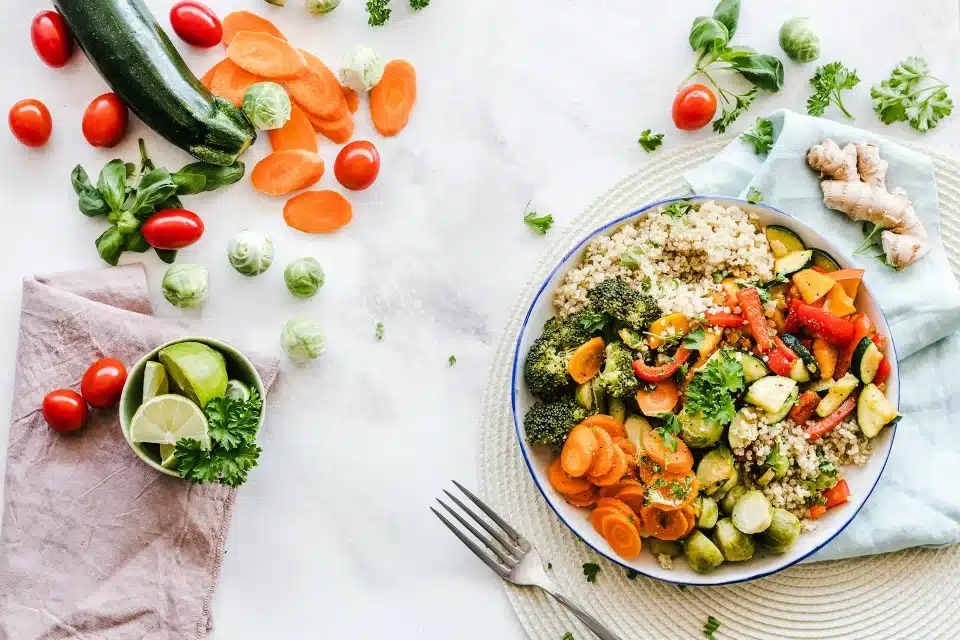
Plan your meals with a focus on natural, unprocessed foods. For instance, you can start your morning with a glass of lemon water, followed by a light breakfast of fruit salad or amaranth porridge.
Plan for lunch
For lunch, try a buckwheat khichdi paired with low-fat curd, and for dinner, go for a light sabudana khichdi or roasted sweet potato with veggies. Hydration is equally important; drink plenty of water, coconut water, or herbal teas throughout the day to stay refreshed.
The best part about following a structured Navratri diet is its flexibility. Despite fasting restrictions, numerous wholesome combinations make your diet both satisfying and slimming.
A little planning in advance — prepping ingredients, portioning snacks, and monitoring your calorie intake — ensures that you remain full of energy while steadily losing weight.
Source: Healthline – Fasting and Metabolism Benefits
Delicious Fasting Foods That Help You Lose Weight Fast
Navratri is often associated with mouth-watering fasting dishes, but not all of them are waistline-friendly. The good news? You can still enjoy the festival’s flavors while sticking to your Navratri diet plan for weight loss.
The trick lies in choosing nutrient-dense ingredients that boost metabolism and provide steady energy. Think of sweet potatoes, paneer (cottage cheese), fox nuts (makhana), and fruits rich in fiber and natural sugars.
Start your day with a wholesome smoothie made from banana, apple, and chia seeds blended with almond milk. This not only satisfies your taste buds but also keeps you fuller longer.
When hunger strikes between meals, instead of deep-fried fasting chips, grab a handful of roasted makhana or baked sweet potato fries. Makhana is packed with protein and low in calories, making it a popular fasting food for weight watchers.
Lunch during Navratri doesn’t have to be boring. Experiment with dishes like kuttu (buckwheat) chapati paired with cucumber raita and stir-fried vegetables. Buckwheat is gluten-free and rich in fiber, which aids digestion and supports weight loss.
For a sweet fix, opt for desserts made with natural sweeteners like jaggery or honey instead of refined sugar. Even something simple like fruit chaat with rock salt can be a refreshing and satisfying dessert choice.
Plan for Dinner
Dinner should ideally be light to allow your body to rest and detox overnight. A bowl of lauki (bottle gourd) soup or a serving of grilled paneer with a side salad can make a fulfilling end to your fasting day. Remember, portion control is key.
Overeating, even with “allowed” fasting ingredients, can hinder your progress. Keeping a food journal or using a calorie-tracking app during Navratri can help you stay mindful and accountable.
Reference: WebMD – Weight Loss on a Balanced Diet
Expert Tips to Stay Energized During Navratri Fasting
One of the biggest challenges during Navratri fasting is maintaining your energy levels while abstaining from certain foods. The lack of caffeine, grains, or heavy proteins can sometimes make you feel sluggish.
But with the right approach, it’s absolutely possible to stay active, productive, and happy throughout the nine days. So, how can you fast smartly while following your Navratri diet plan? It’s all about smart timing and balanced nutrition.
Firstly,
Never skip your pre-fast meal, especially if you plan to keep a strict fast. A combination of complex carbs (like baked sweet potatoes) and healthy fats (like nuts or ghee) gives you lasting energy.
Spacing your meals correctly — such as eating every 3–4 hours in smaller portions — prevents low energy and hunger pangs. Additionally, adding rock salt (sendha namak) to your meals ensures you’re replenishing lost electrolytes, which is vital for maintaining hydration.
Secondly,
Make hydration a top priority. Since fasting may limit the types of fluids you consume, make the most of coconut water, buttermilk, and herbal teas like tulsi or lemongrass. These not only boost immunity but also improve digestion and metabolism.
Avoid sugary drinks, artificial juices, and fried foods that may cause energy crashes. Instead, opt for slow-releasing carbs and fiber-rich ingredients to keep your blood sugar levels balanced.
Lastly,
Keep your body moving. Light exercises like yoga, stretching, or slow walks can help improve digestion and circulation during fasting. Avoid high-intensity workouts that might leave you drained.
Post-Navratri, transition slowly back to your regular meals; don’t indulge immediately after your fasts end. Fasting done mindfully isn’t deprivation — it’s an act of nourishment, patience, and respect for your body.
Source: Medical News Today – Benefits of Intermittent Fasting
Conclusion
In essence, Navratri fasting can become a holistic journey toward wellness when guided by mindfulness and the right Navratri diet plan.
By focusing on natural ingredients, balanced portions, and nutrient-dense foods, you can achieve your weight loss goals without feeling deprived.
Remember, the aim isn’t just to shed kilos but to emerge from the festival feeling lighter, more energetic, and spiritually fulfilled. Every fasting season is a chance to reboot your eating habits and reconnect with your body’s rhythms.
So this Navratri, celebrate not just with devotion but with determination — to nourish your health, uplift your energy, and embrace a lifestyle that sustains you long after the festival ends.
Sources include:
- Healthline – Fasting and Metabolism Benefits
- WebMD – Weight Loss on a Balanced Diet
- Medical News Today – Benefits of Intermittent Fasting
Related article: Lose Weight During Navratri: How To Control Your Carbs. Continue Reading >>
Explore our Healthy Lifestyle products and find your favorites today.
- Have Questions? Read Our FAQs