








The Fast 800 Diet — Simple, Flexible New Weight-Loss Programme

Fast 800 diet, Simple, Flexible New Weight Loss Programme

  • Post author:
  • Post category:Weight Loss
  • Reading time:9 mins read

If you’ve been scrolling through diet headlines lately, you’ll have seen the fast 800 diet popping up — it promises rapid weight loss, improved blood-sugar control, and a practical blueprint built around Mediterranean-style food.

Developed and popularized by Dr. Michael Mosley and colleagues, the plan combines periods of an 800-calorie intake (or other intermittent fasting options) with longer-term Mediterranean-style eating and exercise guidance.

This article explains what the fast 800 diet is, the science behind it, who it suits (and who it doesn’t), how to do it step-by-step, sample meal ideas, and safety considerations — plus links to further reading. (The Fast 800)


What is the Fast 800 diet?

At its core, the fast 800 diet is an approach that uses short periods of significant calorie restriction — typically around 800 calories per day — to kickstart weight loss, followed by a transition to a Mediterranean-style way of eating for maintenance.

The program marketed at TheFast800.com describes three flexible approaches: (1) the “very fast” 800-calorie period for 2–12 weeks; (2) intermittent fasting (time-restricted eating or alternate-day protocols); and (3) long-term Mediterranean eating for weight maintenance and health. 

Recipes, guided workouts, and structured plans are part of the official programme. (The Fast 800)

Why 800 calories? The figure grew from clinical work showing that short periods of very low calorie intake can produce rapid weight loss and metabolic improvements — particularly for people with recently diagnosed type 2 diabetes.

Notably, the DiRECT (Diabetes Remission Clinical Trial) programme used intensive weight-loss strategies (with total diet replacement of ~825 kcal/day) and showed remission in a substantial proportion of participants.

 This type of evidence underpins some claims behind the fast 800 diet. (PubMed)


The evidence — what science says

  1. Rapid weight loss can be effective and safe under supervision. Trials such as DiRECT demonstrated that carefully managed, intensive weight-loss programmes using low-calorie liquid diets.

Led to major weight loss and remission of type 2 diabetes in many participants when delivered within primary care settings with clinical oversight. Long-term follow-up suggests sustained benefits are possible if weight is kept off. (PubMed)

2. Intermittent fasting vs daily calorie restriction. Several studies and reviews find that intermittent fasting approaches (time-restricted eating, 5:2, alternate-day fasting) produce weight loss comparable to continuous daily calorie restriction.

Some recent trials suggest intermittent fasting can have slightly better adherence and modestly better weight loss for some people, but overall results vary with study design and participant population. The fast 800 plan blends calorie restriction and intermittent fasting options to give flexibility. (Verywell Health)

3. Not a miracle — energy deficit still matters. The main driver of weight loss is an energy deficit. The fast 800 diet is effective because it creates a substantial calorie deficit quickly.

Evidence does not firmly show that the fast 800 method is inherently superior to other well-designed calorie-restricted diets over the long term — adherence and behaviour change are crucial.

Independent reviews advise that VLCDs or very low-calorie diets should be medically supervised for people with certain health conditions. (No Money No Time)


Who might benefit?

  • People who need quick results (e.g., to jump-start weight loss or improve metabolic markers).
  • People with recently diagnosed type 2 diabetes should be under medical supervision, since rapid weight loss has been linked to diabetes remission in trials.
  • Those who respond well to structured plans and enjoy clear short-term goals and meal plans.

Who should be cautious or avoid it:

  • Pregnant or breastfeeding people, children and adolescents, people with eating disorders, and those with certain medical conditions (including some on medications for diabetes or blood pressure) should not try very low-calorie periods without medical supervision.

Anyone on glucose-lowering drugs must consult a clinician before attempting an 800 kcal plan because medications may need dose adjustments. (PubMed)
How the programme typically works (step-by-step)

First Stage — The Fast Phase (2–12 weeks)

  • Goal: Rapid weight loss and metabolic improvements.
  • Calories: Aim for ~800 “high-quality” calories per day. The Fast800 emphasises nutrient density — lean protein, vegetables, healthy fats, fibre — not junk food.

Many providers use commercially available meal-replacement shakes/soups during a short initial phase (this is similar to protocols used in DiRECT). (The Fast 800)

Second Stage — Reintroduction (2–8 weeks)

  • Goal: Reintroduce regular food gradually while keeping weight loss on track.
  • How: Swap some meal replacements for balanced meals, focus on low-GI carbohydrates, Mediterranean-style fats (olive oil, nuts), fish, legumes, and lots of veg.

Third Stage — Maintenance (long term)

  • Goal: Keep the weight off and improve long-term health.
  • Approach: Mediterranean-style eating with portion control, occasional intermittent fasting, regular physical activity, and behavioural strategies for habit formation.

The Fast 800 encourages flexible strategies to fit a person’s lifestyle — for example, 800-calorie days when you need rapid correction, or time-restricted eating for maintenance. (The Fast 800)


Practical meal ideas and sample day (≈800 kcal example)

A good 800-calorie day should prioritise protein and fibre to maximise satiety.

Sample menu (approximate):

  • Breakfast: Greek yogurt (150 g) with a handful of berries and a sprinkle of chopped almonds — ~220 kcal.
  • Lunch: Big salad — mixed greens, grilled salmon (100 g), cherry tomatoes, cucumber, 1 tbsp olive oil + lemon dressing — ~350 kcal.
  • Snack: 1 medium apple — ~80 kcal.
  • Evening: A cup of steamed veg (broccoli or green beans) and a small portion of hummus or a boiled egg — ~150 kcal.

(You can replace one meal with a nutritionally complete 200–300 kcal shake if preferred — some programmes use “soup and shake” meals to simplify calorie counting and ensure micronutrient adequacy.) (The Fast 800)


Tips for success and sustainability

  1. Plan for medical checks if you have health conditions. If you have diabetes, heart disease, take medications, or have had recent surgery, check with your clinician. Medication adjustments (especially insulin or sulfonylureas) may be essential. (PubMed)
  2. Focus on nutrient quality, not only calories. The fast 800 diet pairs calorie restriction with Mediterranean principles (olive oil, oily fish, vegetables, legumes) to reduce risk factors for heart disease and improve satiety. (The Fast 800)
  3. Use structure to reduce decision fatigue. Meal plans, simple recipes, and — if chosen — supervised meal replacements make it easier to adhere during the very-low-calorie phase.
  4. Add resistance exercise. Preserving muscle mass during weight loss is important. The Fast 800 resources include guided, low-impact workouts. Even simple resistance moves twice weekly help maintain strength. (The Fast 800)
  5. Be realistic about maintenance. Rapid weight loss is motivating, but many people regain weight without robust maintenance strategies (behavioural support, regular monitoring, and adaptable eating plans).

Safety and side effects

Short-term side effects during very low-calorie phases can include fatigue, headaches, dizziness, constipation, or cold intolerance. Serious adverse effects are uncommon when programmes are well-designed and supervised, but they can happen — particularly in vulnerable groups.

That’s why clinical trials using low-calorie replacement diets include medical monitoring and stepwise food reintroduction. If you feel unwell, stop the plan and seek medical advice. (PubMed)


How it compares to other diets

  • Versus continuous calorie restriction: Both can be effective; the choice may come down to personal preference and adherence. Intermittent or periodic very-low-calorie windows may be easier for some people because the restriction is time-limited. (Verywell Health)
  • Versus ketogenic or low-carb diets: Fast 800 leans Mediterranean, but it can be combined with lower-carb principles if appropriate. The evidence does not conclusively show long-term superiority of low-carb diets for all outcomes. (NCBI)

Real-world rollout — NHS and public health programs

The concept of 800-calorie therapeutic programmes has scaled beyond research clinics. For example, the NHS has implemented a “soup and shake” style programme for some people with type 2 diabetes.

Early data show substantial remission rates among participants who complete the programme. These public projects mirror the DiRECT evidence base and emphasise careful candidate selection and clinical support. (The Guardian)


Quick FAQ

Q: Can anyone try the fast 800 diet?
A: Not everyone. Pregnant or breastfeeding people, children, those with eating disorders, and many people on glucose-lowering meds should not use an 800-calorie plan without medical supervision. Consult your doctor first. (Patient Info)

Q: Will I regain weight?
A: Weight regain is common after any diet if long-term habits change aren’t adopted. The fast 800’s maintenance stage aims to prevent regain by teaching Mediterranean-style eating and intermittent fasting options. Long-term success depends on sustainable habits. (The Fast 800)

Q: Is the fast 800 diet the same as a VLCD?
A: The term “very low calorie diet” (VLCD) often refers to <800 kcal/day. The fast 800 typically uses ~800 kcal/day, which sits at the boundary. Some clinical protocols use 825 kcal or similar; definitions vary.

Medical oversight is recommended for any very low-calorie approach. (The Lancet)


Where to find trusted resources

  • The Fast 800 (official): for programme details, recipes, and guided plans. (The Fast 800)
  • BBC Good Food — plain-English explainer of what the diet involves. (Good Food)
  • PubMed / DiRECT trial (Lean et al.) — the research that supports therapeutic low-calorie interventions for diabetes remission. (PubMed)
  • Diabetes UK / NHS updates — for public-health programmes and implementation data. (Diabetes UK)

Bottom line

The fast 800 diet is a practical, evidence-informed plan that combines short periods of low-calorie intake with Mediterranean-style eating and exercise.

It’s not magic — the key is the calorie deficit — but clinical trials have shown the medical value of structured, intensive weight-loss programmes for certain people, including potential remission of type 2 diabetes when applied appropriately.

If you’re considering the fast 800 diet, weigh the potential benefits against the demands of a very-low-calorie phase and get medical advice if you have existing health conditions or take medication.

With the right oversight and a focus on sustainable habits, the fast 800 approach can be a powerful tool in a broader healthy-living plan. (PubMed)


References & further reading

  • The Fast 800 — Dr. Michael Mosley (official site). (The Fast 800)
  • BBC Good Food — What is the Fast 800 diet? (overview). (Good Food)
  • Lean MEJ, Leslie WS, Barnes AC, et al. Primary care-led weight management for remission of type 2 diabetes (DiRECT): a cluster-randomised trial. PubMed / Lancet summary. (PubMed)
  • DiRECT follow-up and NHS roll-out reporting (DiRECT news, Diabetes UK). (Direct Clinical Trial)
  • An article summarising intermittent fasting vs daily calorie restriction. (Verywell Health)

Kindly express your opinions within the comments section of this article or any other content available on our platform.

The fast diet written by Dr. Michael Mosley.
Keto diet by Dr. Michael Mosley.
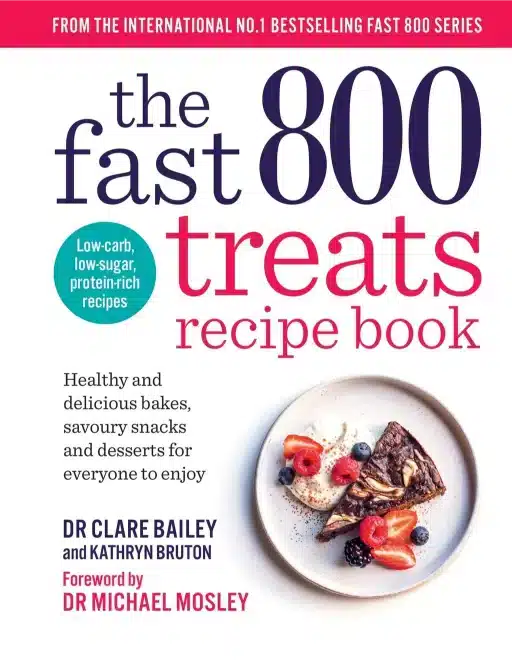
Fast 800 treats recipe book by Dr. Clare Bailey and Kathryn Bruton
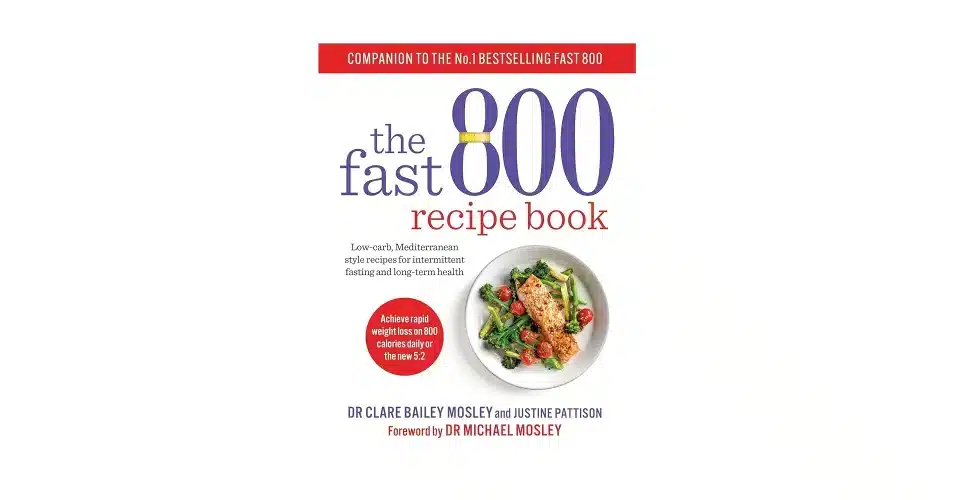
Book by Clare Bailey Mosley and Justine Pattison

Related article: The Ultimate Keto Diet Plan for Effective Weight Loss. Continue reading. >>

Explore our Healthy Lifestyle products and find your favorites today.

  • Have Questions? Read Our FAQs

We really appreciate your feedback. Thank you.

This site uses Akismet to reduce spam. Learn how your comment data is processed.